13 SEP 2026 — The Pentagon is in talks to lend about five billion dollars to Fluidstack, an AI cloud company, through its Office of Strategic Capital. The money is for data-centre component supply and manufacturing capacity rather than for building a data centre.
If it closes it would be by far the largest single loan that office has made.
A loan, not a contract or a subsidy
The instrument matters and is easy to skim past. This is credit, not procurement and not a grant.
A defence department buying compute is a customer. A defence department giving a grant is picking a winner and absorbing the loss if it fails. A defence department lending supplies capital on terms a commercial lender would not offer, to build capacity the government wants to exist, while expecting repayment.
The Office of Strategic Capital exists for exactly that. Its logic is that some industrial capacity is strategically necessary and commercially unfinanceable at the same time (long payback, uncertain demand, single-customer risk). Whether AI data-centre components fit that description is the substantive question, and it is not obvious that they do. Demand for them is the least uncertain thing in the industry right now.
What the money is for
Fluidstack would use it to shore up United States supply chain and manufacturing capacity for certain data-centre components, rather than funding a new facility outright.
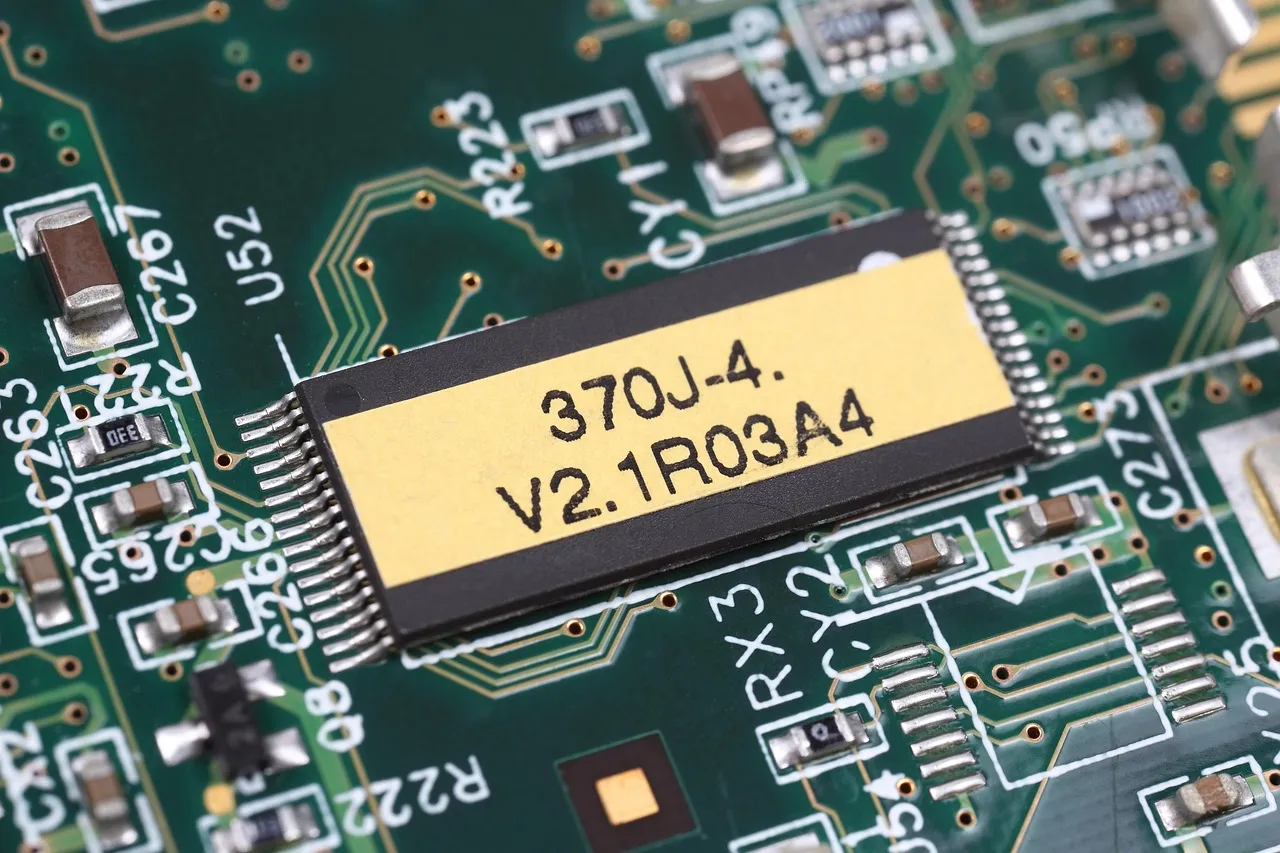
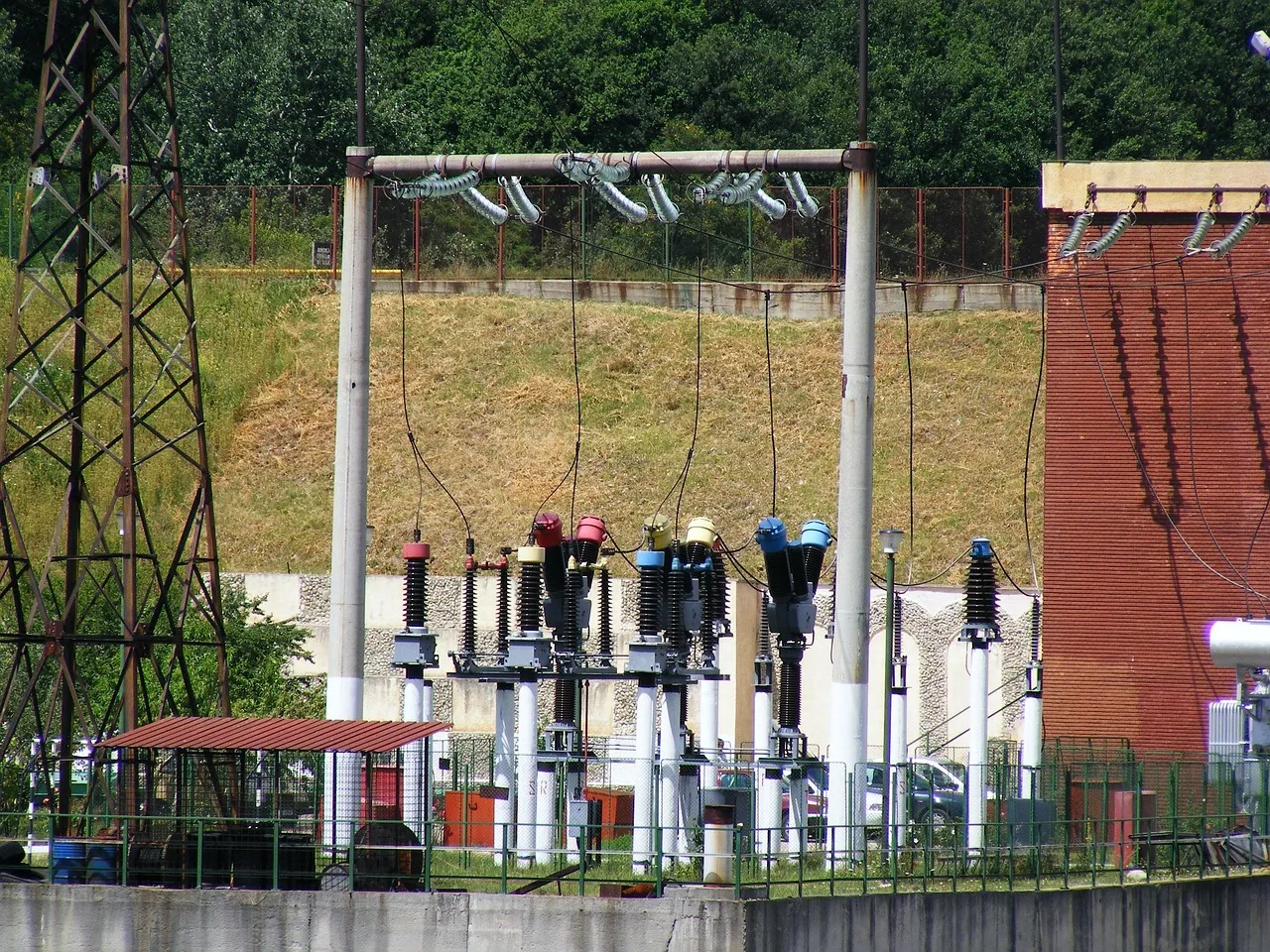
That distinction is the interesting part. Anyone can finance a building; the constraint the industry keeps hitting is upstream — transformers, switchgear, power distribution, cooling, and the long-lead electrical equipment whose order books now run years. A loan for components targets the bottleneck, not the visible asset.
It also explains the instrument. Component manufacturing is capital-heavy, slow to build and hard to finance against demand that could evaporate if the AI buildout slows, which is precisely the profile a strategic-capital office is chartered to address.
The company moved to meet the money
Fluidstack was founded in the United Kingdom in 2017. It moved its global headquarters to New York in December 2025, and all 700 of its employees are now based in the United States. It has signed multi-year leases for sites in New York, Indiana, Louisiana and Texas.
Read that sequence beside the loan. A British company relocated its headquarters and its entire workforce to the United States, then became a candidate for American defence financing of domestic supply chains.
We do not know the causation and are not asserting any — the relocation predates the reported talks by nine months, and building AI infrastructure where the customers and the power are is a sufficient business reason on its own. The sequence illustrates where the gravity is. Industrial policy that finances domestic capacity gives firms an incentive to be domestic.
How AI infrastructure is being funded
The financing stack for AI compute has been assembling in public for a year, and it keeps reaching for instruments that are not ordinary corporate capital.
We have written about the power constraint that sits underneath all of it, about leases kept off balance sheets, and about chip vendors guaranteeing customers' borrowings. A defence loan for component manufacturing belongs in that family: capital arriving from somewhere other than the equity markets, on terms the equity markets would not set, for assets whose economics depend on a demand curve nobody has seen the end of.
That is not a criticism of any single deal. It is an observation that the industry's capital structure is becoming unusual, and unusual capital structures are where risk accumulates quietly.
What to watch
Whether it closes, and on what terms. Talks reported by a newspaper are not a signed facility; neither the Department of Defense nor Fluidstack commented. The interest rate and security would tell you far more about the government's assessment than the headline number does.
And which components. A five-billion-dollar loan for transformers and switchgear is an industrial-policy story about the grid. A loan for something closer to the chips would be a different story entirely. The reporting does not yet say which it is.

View author profile → · Editorial policy