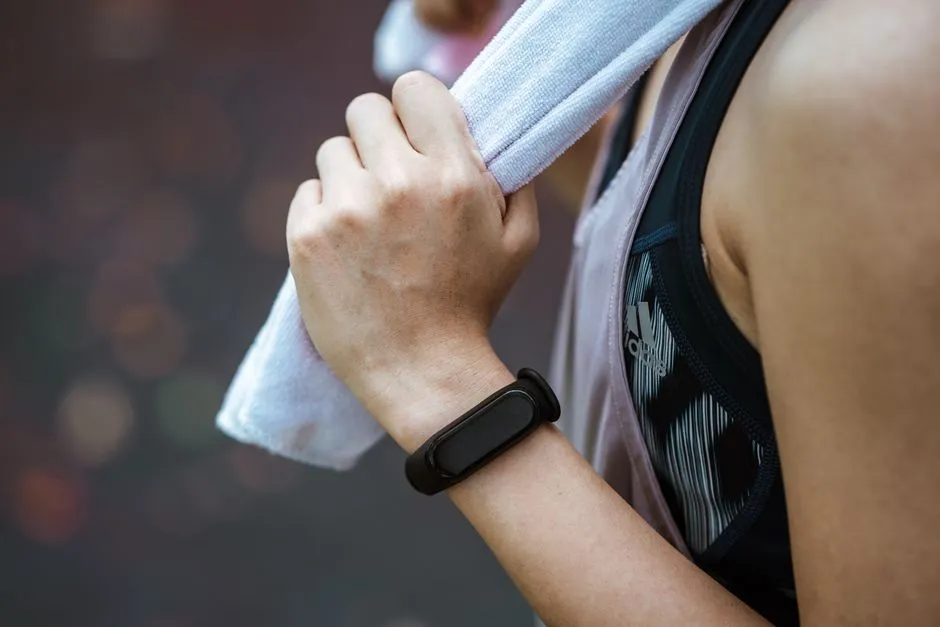
Oura has refreshed the ring that started the category. The company announced the Oura Ring 5 on 28 May, and the big change is size. It is 40 per cent smaller than the Ring 4, with a more curved shell that sits closer to a normal piece of jewellery.
What is new
Smaller and more comfortable is the headline, and for something you wear to sleep, comfort is most of the product. An optional charging case, sold separately for US$99, holds up to five charges, which is useful for travel. It comes in silver and black at US$399, with pre-orders open and shipping from 4 June, per Memeburn.
Good timing for Oura
The timing is good for Oura. Its most obvious challenger, Samsung's Galaxy Ring 2, looks unlikely to arrive in the first half of the year, held up by a patent dispute with Oura and reportedly soft sales of the first model, per TechRadar. With the main rival stalled, Oura has the field largely to itself heading into the second half of 2026.
Why people are choosing rings
A ring tracks sleep, heart rate and recovery without a screen on your wrist or another device to charge every night. For anyone who wants health data without another notification source, that trade-off is the entire pitch for the category.
Samsung's Ring 2 is now reportedly expected in 2027
The Galaxy Ring 2 has since been reported to be in advanced development, with a launch expected in early 2027. Three things are reported behind the delay: the patent dispute, weak sales of the first Galaxy Ring, and a battery technology Samsung wants to finish before shipping.
If those reports hold, Oura has roughly a year without its nearest competitor, not the half-year that looked likely in May.
Samsung's patent challenges have not gone its way
The dispute runs on several fronts. Oura filed for patent infringement in federal court in late October 2025 and brought a complaint at the International Trade Commission in November. Samsung counter-sued in the Eastern District of Texas on 1 December 2025.
Samsung has also challenged some of Oura's patents at the US patent office, and those challenges have so far been reported as unsuccessful.
Patent-office rulings do not decide a case running in three venues, and an ITC complaint moves more slowly than its headlines suggest. What it does establish is that the quickest route around the obstacle did not work, which fits a competitor moving its launch by a year rather than shipping into an unresolved injunction risk.
A stalled competitor is weaker evidence than it looks
Samsung is reported to be reassessing the category partly on the performance of its first ring, which is a judgement about demand rather than about litigation. That points somewhere less flattering than a straightforward Oura win: if the reports are right, one of the largest consumer-electronics companies in the world looked at its own sales figures and decided to wait.
Neither company publishes unit sales, so nothing since gives the category a size. The strongest public evidence about how many people want a screenless tracker is a competitor's decision to slow down, which is an odd thing for the market leader to be able to point to.
The summer's competition came from smartwatches
Google's Pixel Watch 5 now reports blood-pressure and insulin-resistance trends estimated from pulse, motion and sleep, returning a monthly trend rather than a reading. Neither feature is FDA cleared, and no validation data has been published. Malaysia and Singapore are on the rollout list.
The watch, in other words, went after the health data rather than the comfort. That reframes the comparison a buyer makes. A monthly trend estimated from pulse and motion is a model's output, and what a shopper now has to weigh is not only which device is nicer to wear but which of their claims has anything published behind it.
On that second question the Ring 5's headline feature holds up unusually well. Being 40 per cent smaller is a claim that can be checked by wearing the thing for a night, which is more than can be said for most of what the category has started to advertise.
Correction, 18 October 2026: An earlier version said the Ring 5 ships with a charging case that recharges it four times; the case is a separate US$99 accessory that holds up to five charges. It also gave an unconfirmed July 2026 date for a failed Samsung patent challenge and described a 2027 Galaxy Ring 2 launch as confirmed by Samsung; both have been corrected.

View author profile → · Editorial policy