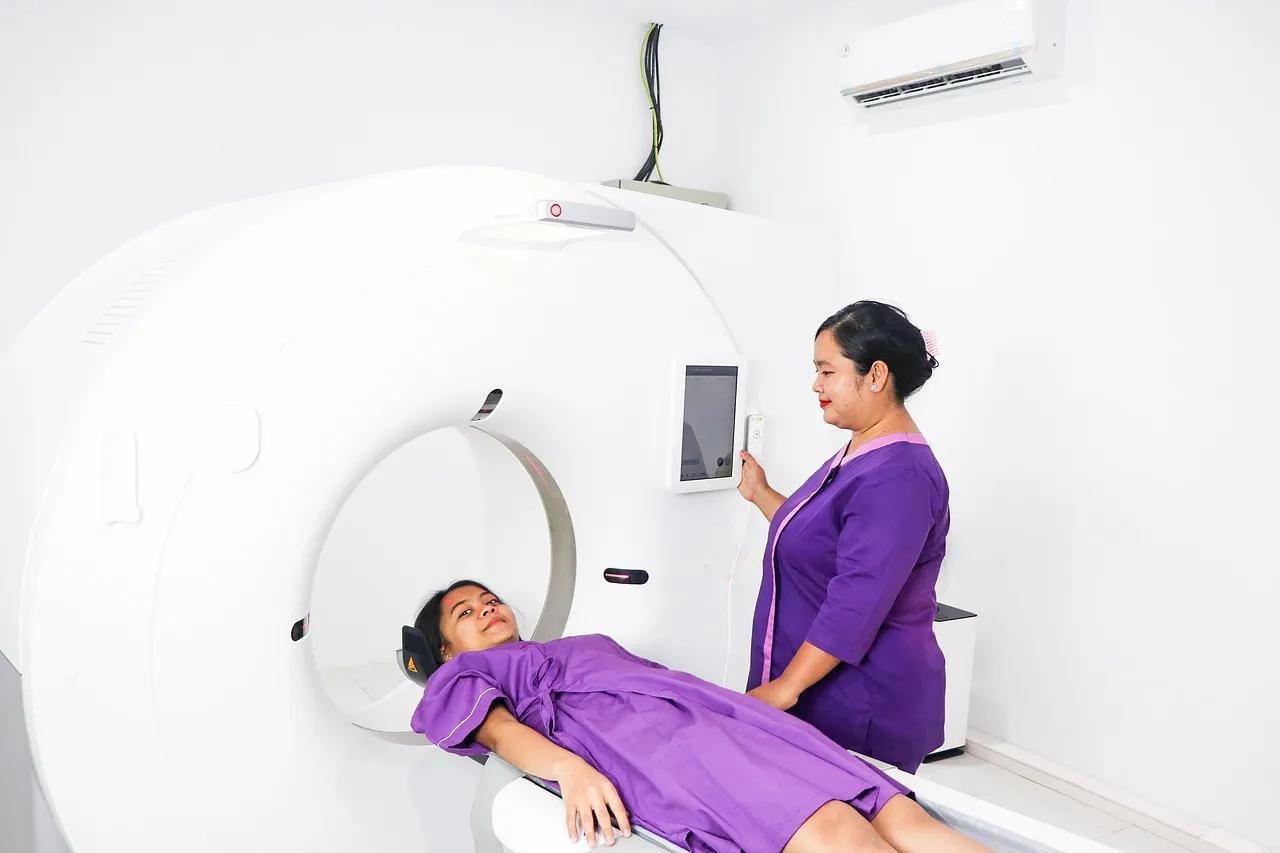
HealthTechX Asia 2026, the second edition of the regional digital-health summit, ran 6–7 May 2026 at the Sands Expo & Convention Centre in Singapore. The conference brought together more than 50 expert speakers and more than 90 startups and large corporates across hospitals, public-sector health bodies, system integrators, AI vendors, and digital-health startups from across the APAC region.
The headline session
The agenda's most-anticipated session was a National Digital Health Insights update from Singapore's Ministry of Health, delivered by Colin Lim, the Ministry's Chief Information Officer. Per the conference's official agenda, the talk covered three areas:
- Upcoming health initiatives in the next 18 months
- Advancing interoperability — the multi-year project to make patient records portable across Singapore's public and private healthcare networks
- AI-driven clinical and operational innovation, including the MOH's approach to evaluating AI-assisted diagnostic tools
Why this conference, why now
HealthTechX Asia 2026 happens at a moment when Singapore's healthcare system is under three simultaneous pressures: an ageing population, fast-rising hospital-bed cost per capita, and an unprecedented set of clinical AI tools arriving from regulator-unfriendly vendors abroad. The conference is both marketplace and coordination forum, putting providers, startups, payers, and investors in one room for two days.
According to SGInnovate's event listing, the programme offered more than 50 expert speakers, over 90 startups and large corporates, and networking with more than 1,000 key stakeholders.
The speakers and what they signal
The named speaker list — per HealthTEC.SG's coverage — included senior figures from the Ministry of Health, Changi General Hospital, and Hospital Clínic de Barcelona, alongside leaders from startups working on clinical AI, interoperability infrastructure, and patient-engagement platforms. The deliberate mix of large-hospital CIOs and venture-backed startup founders is signature HealthTechX positioning — provider-led problem statements first, vendor-led solutions second.
What was conspicuously light
Cybersecurity coverage was thin in the public-facing agenda, despite a multi-year escalation in healthcare-targeted ransomware across the region. Only one named security partner (Claroty) appeared on the partner list. Hospital systems are prime ransomware targets, and interoperability — a major theme of the conference — expands the attack surface by definition. The thin security coverage was a notable gap. Future editions will likely need to balance the innovation conversation with a more explicit security track.
What ASEAN regional players took home
For attendees from Malaysia, Indonesia, the Philippines, and Vietnam — countries whose digital-health roadmaps lag Singapore's by a measurable 3–5 years — the most useful sessions were the interoperability and AI-evaluation tracks. Singapore's experience with HealthHub, the National Electronic Health Record, and the trusted-AI assessment framework for clinical tools is widely treated in the region as the canonical playbook. The conference, more than any single product announcement, is the venue where that playbook is transmitted.
The thin security track aged badly within eight weeks
One named security partner on an agenda built around interoperability was flagged here as a gap worth watching. The following quarter supplied the illustration.
AnMed closed 83 medical offices after a July ransomware attack, with ten still shut a week later. On 11 August the attackers took their extortion campaign to the health system's own Facebook page. The operational damage there was not data loss. It was 83 sites of care unable to see patients.
This is exactly the failure mode a hospital-digitisation conference should address, and the one this agenda was quietest on.
Singapore answered the governance half in July
The regulatory response arrived from the Cyber Security Agency rather than from the Ministry of Health, and it reaches healthcare through the critical-information-infrastructure route.
CSA said on 22 July that the rewritten Code of Practice will require critical-infrastructure boards to maintain an annually reviewed cyber resilience framework and Cyber Trust Mark Level 5, with a separate cloud code following in the same half and companion guides written alongside AWS, Google Cloud and Microsoft Azure.
Read against the interoperability track, that is the missing counterweight. Making patient records portable deliberately expands the attack surface for good clinical reasons. Putting recovery obligations on the board makes specific people answerable for that risk. It is a governance tool, not a technical one, which explains its absence from a technology agenda.
The AI-evaluation track is the one that will date fastest
The Ministry of Health session covered its approach to evaluating AI-assisted diagnostic tools. That framework is now being tested by devices that route around it entirely.
Google's Pixel Watch 5 reports blood-pressure and insulin-resistance trends estimated from pulse, motion and sleep. Neither feature is FDA cleared and no validation data has been published, and Malaysia and Singapore are both on the rollout list. A monthly trend is not a reading, which is precisely how it avoids being a diagnostic claim while still shaping what a patient believes about their own health.
An assessment framework for clinical AI tools regulates the tools a clinician uses. The consumer devices arriving in the same market are designed to be outside that framework, and patients are bringing their outputs into consultations regardless.
What the playbook actually transmits
Regional delegates treating Singapore's experience as the canonical playbook was the reading here, and three months on the playbook has visibly gained a chapter it did not have in May.
The interoperability and AI-evaluation material was the transmissible part at the conference. The board-accountability requirement and the cloud code are the parts that arrived afterwards, from a different agency, and they are the harder half to copy because they need a regulator willing to name directors rather than systems. A neighbouring country can adopt an interoperability standard by procurement. It cannot adopt board accountability without legislation.
Correction, 18 October 2026: An earlier version gave the speaker count as more than 60 and said the Ministry of Health session was delivered by the Senior Minister of State for Health; the event listing gives more than 50 speakers, and the session was delivered by MOH's Chief Information Officer, Colin Lim. Unsupported figures on attendee seniority, connections and a fourth agenda item, and a reference to Singapore General Hospital, have been removed.
Sources and cross-checks: Primary: HealthTechX Asia 2026 — Official site. Corroborated against: SGInnovate event listing, HealthTEC.SG, and HealthTechAsia. Dates and location confirmed 18 May 2026; speaker count and MOH session details corrected against the SGInnovate and HealthTEC.SG listings 18 October 2026. Retrospective added 23 August 2026. The AnMed incident, the CSA Code of Practice rewrite and the Pixel Watch 5 health-trend features are each carried in the linked RECATOOLS reports.

View author profile → · Editorial policy