
WASHINGTON, 29 AUG 2026 — The Federal Communications Commission is drafting rules that would bar US imports of new Chinese optical transceivers, the components that move data over fibre inside data centres. Coverage has read this as a ban. It is a draft, and the FCC could still modify or shelve it.
What is actually in front of the commission
Officials are working on a measure they hope to publish later in 2026, and the FCC has indicated it will hold a public workshop in the fourth quarter to gather technical evidence before finalising anything.
The stated concern is that Chinese-made transceivers could be used to steal data, install malware or disrupt service inside the facilities that train and run AI models. The scope reported is new models rather than equipment already installed, which is a meaningful narrowing and one most headlines have dropped.
A workshop scheduled to gather evidence is not the posture of an agency about to sign. It is the posture of one that knows the record is thin and the consequences are large.
Why the numbers make this hard to sign
Innolight alone is reported to hold roughly 27 per cent of the global transceiver market. Together with Eoptolink, the two Chinese firms control more than 60 per cent of the 800G-and-above segment, which is precisely the class of part that high-bandwidth AI clusters consume.
A restriction on new models in that segment would cut off the majority of available supply for the component the American AI buildout most depends on. Alternatives from Coherent, Lumentum, Broadcom and several Taiwanese and Japanese suppliers exist, and they lack the volume to absorb that share. Optical module capacity does not scale in a quarter.
That is the tension the workshop is there to examine. The security case and the supply case point in opposite directions, and the agency has to write a rule that does not simply raise the cost of American data centres while the components remain freely available everywhere else.
The FCC has done a version of this before
This is not the commission's first move of this kind, and the precedent is worth reading for pace rather than for outcome.
Earlier this month the FCC advanced an import ban on Chinese humanoid robots, a category with far less installed dependency and far smaller commercial consequence. That an agency willing to move there is still workshopping transceivers tells you something about the difference in exposure.
In both cases the FCC is using equipment authorisation as an instrument of supply-chain policy, a role the Communications Act gives it almost incidentally. Import restrictions are ordinarily Commerce's territory. Doing it through device authorisation is faster and narrower, and it is also easier to challenge.
What it would mean for this region
Nothing in a US rule binds a data centre in Johor, Batam or Luzon. The practical effect here would arrive through a different channel.
American hyperscalers building in Southeast Asia generally standardise their hardware globally, to avoid the cost and complexity of managing two bills of materials. A US restriction on new transceivers would propagate into their regional facilities regardless of local law, while a local operator with no US exposure could keep buying the cheaper part.
That produces a two-tier cost structure inside the same industrial parks — the same racks, the same power, different optics and different prices. For a regional operator that is a short-term advantage and a medium-term question about who its customers will be.
What a transceiver actually is
The component at the centre of this is an unglamorous part that most coverage skips, and describing it explains both the security worry and the supply problem.
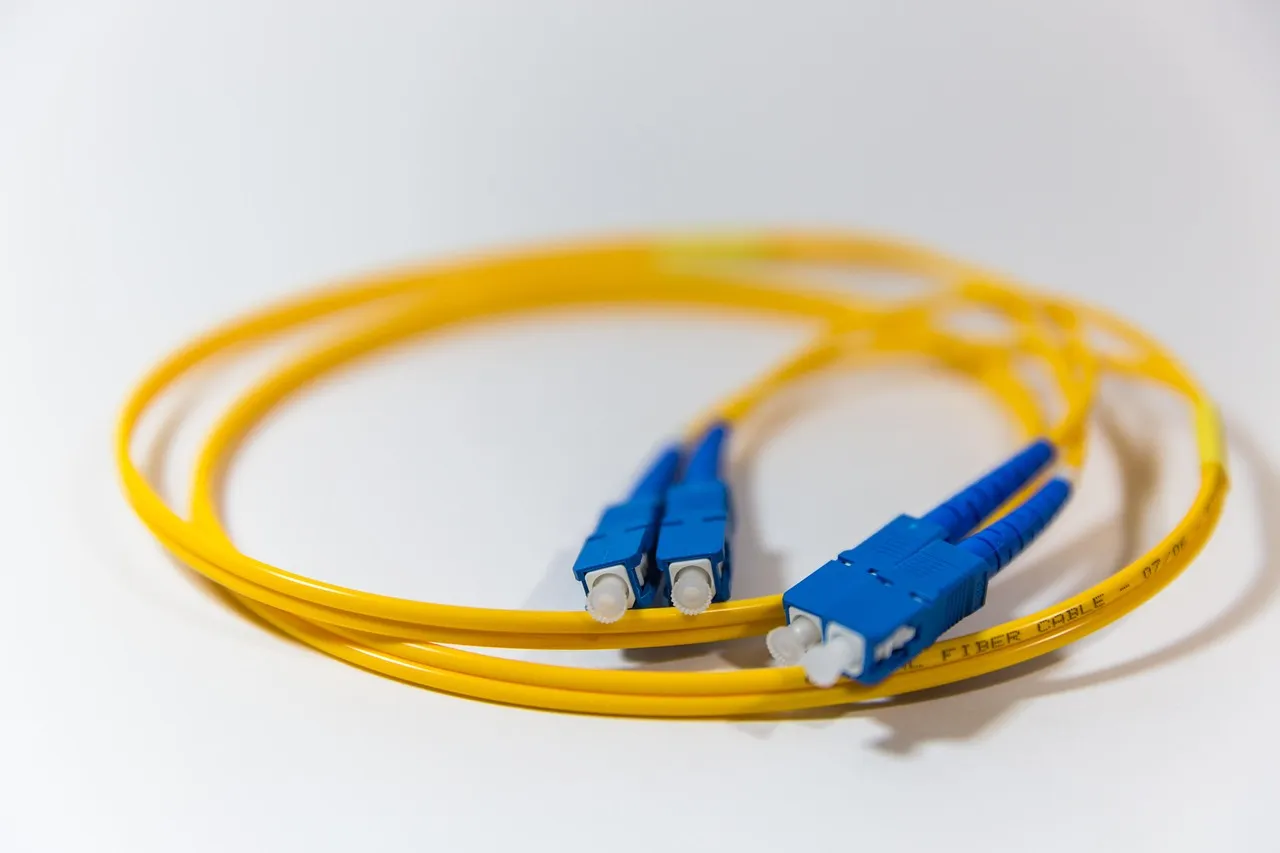
An optical transceiver converts electrical signals into light and back again. It plugs into a switch port, it is roughly the size of a pack of chewing gum, and a large AI cluster contains tens of thousands of them. At 800 gigabits and above it carries every byte moving between servers during training, which is why an accelerator cluster is bounded as much by its optics as by its GPUs.
It also runs firmware and has a management interface, which is the basis of the security concern. A device that sits on the data path, is powered whenever the rack is, and can be addressed over a management channel is a category of thing security architects worry about regardless of who manufactures it.
It is also a commodity sold on price and power efficiency, in volumes where a few dollars per unit decides a contract. A critical, numerous, cheap component dominated by two suppliers is a hard thing to regulate.
The part nobody has evidence for
The public evidence is more specific than most coverage has been.
The officials' concern is that these components could enable data theft or disruption. No public technical finding has been produced showing that any shipped Chinese transceiver contains such a capability. That does not make the concern unreasonable — a transceiver sits on the data path and runs firmware, so the theoretical surface is real, and supply-chain policy is frequently made on capability rather than on demonstrated abuse.
The distinction matters. The case against the transceivers is architectural and precautionary rather than forensic, and convening a workshop to gather technical evidence is an admission that the forensic part is not yet on the record.
What to watch
Three things would move this from draft to consequence. Publication of an actual notice of proposed rulemaking, which starts a comment period and puts the agency's reasoning in writing. The scope of any grandfathering, since a rule covering only new models is a slow instrument and one covering installed equipment is a very fast one. And China's response, which its officials have said will come if necessary.
Until the first of those happens, the accurate description is that an agency is drafting something it may not publish, in a segment where the target holds most of the supply.