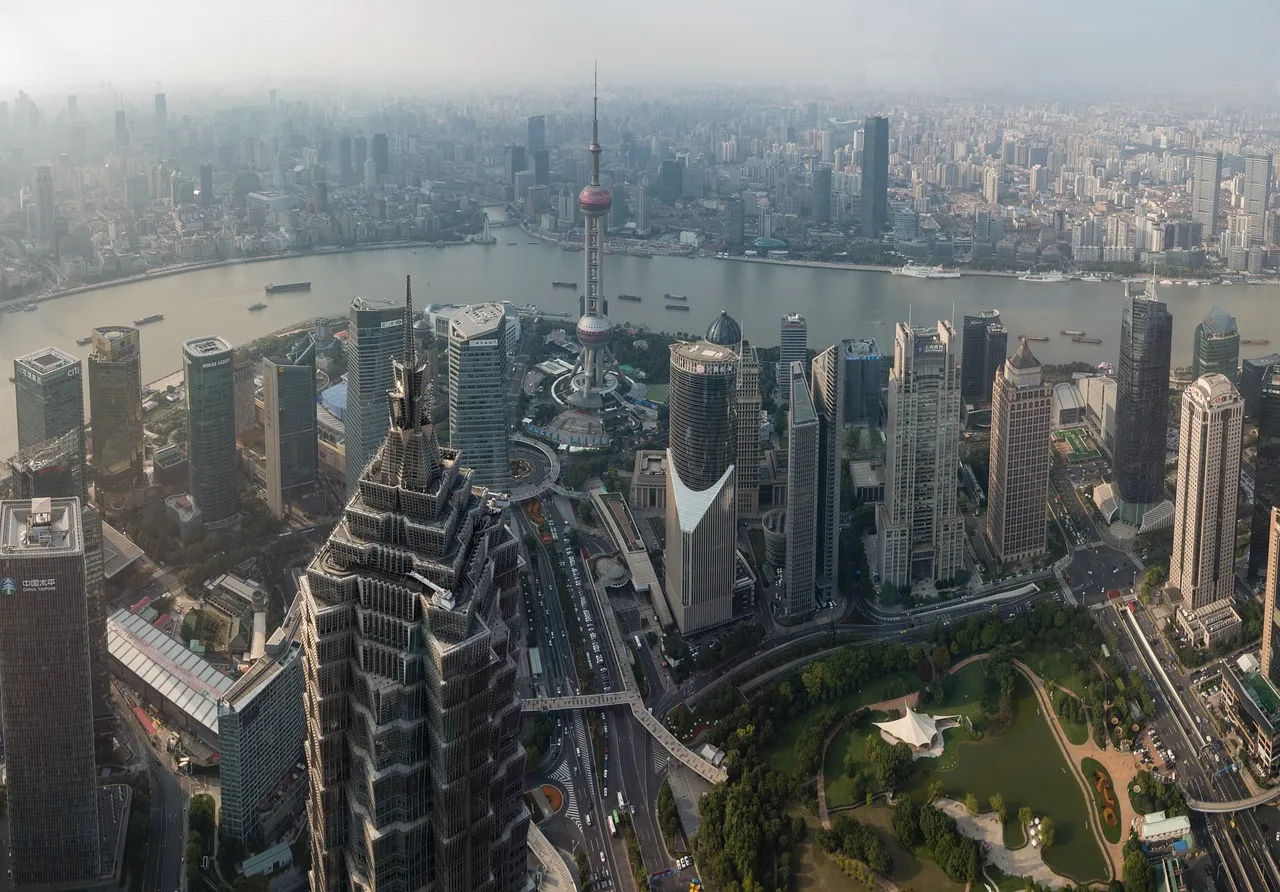
NEW YORK, 11 AUG 2026 — Visa and Mastercard have agreed to run validator nodes on a blockchain. So have BlackRock, DTCC, ICE, Standard Chartered, SBI Group and Sumitomo Corporation. The network is Circle's Arc, and its public mainnet opens on 16 September.
The announcement is the list of validators. With few exceptions, the institutions Circle has recruited to order and attest to transactions are the incumbents of the existing settlement system.
What was announced
Circle named eleven founding validators on 5 August: BlackRock, DTCC, Galaxy, Global Payments, ICE, Mastercard, MoneyGram, SBI Group, Standard Chartered, Sumitomo Corporation and Visa. Circle itself operates alongside them. Decrypt reports the chain is already in private mainnet with more than a hundred builders.
Circle describes Arc as "an open blockchain network built for the world's financial markets, real-time money movement, and agentic economic activity", and elsewhere as "an enterprise-grade blockchain designed to become the Economic OS for the internet". Chief executive Jeremy Allaire's framing is narrower and more revealing: "Arc is built on a simple premise: that the global financial system deserves a blockchain network it can trust."
Gas fees are paid in USDC. Circle states plainly that "the ability to transact on Arc depends on the ability to obtain and use USDC to pay gas fees".
The fee currency is the business model
That last detail is easy to skim and it is the commercial heart of the thing.
On most chains, the fee token is a separate speculative asset whose price has nothing to do with the transactions it pays for. Arc removes that by charging in Circle's own stablecoin. Every transaction on the network therefore requires the counterparty to hold USDC, and USDC is a claim on reserves that Circle manages and earns on.
USDC in circulation closed the second quarter at $73.3 billion, up 19 per cent year on year. A chain that makes USDC a prerequisite for participation generates demand for that float, which is where Circle's revenue comes from.
None of that is hidden. It is simply a different proposition from a neutral public ledger, and it should be read as infrastructure a company owns rather than infrastructure a market shares.
What the validator list actually signals
Most consortium chains go nowhere. This one warrants a harder look because of who is on the list and what they do for a living.
| Validator | Existing role in settlement |
|---|---|
| DTCC | Post-trade clearing and settlement for US securities |
| ICE | Exchange operator, owner of the NYSE |
| Visa, Mastercard | The two card networks |
| BlackRock | Asset manager; its BUIDL fund is deploying on Arc |
| Standard Chartered, SBI, Sumitomo | Cross-border banking and trade finance, Asia-weighted |
These are the institutions a disintermediation story was supposed to route around. Their presence as validators means the opposite of disintermediation: the ledger is new, the intermediaries are the same ones, and they are being paid in a role that did not exist before.
Circle has said the validator set could grow to between twenty and forty institutions. That is a permissioned network expanding by invitation, not a permissionless one being joined.
The Asian names are not decoration
Three of the eleven are anchored in Asia, and they are the three whose day job is moving money across borders: Standard Chartered, whose network is built around Asian and African trade corridors, and SBI Group and Sumitomo Corporation in Japan.
This focus makes sense, since stablecoin settlement has its clearest advantage in cross-border payments. Domestic instant payments in most developed markets already work — Singapore's FAST, Japan's Zengin, the UK's Faster Payments. The friction that remains is cross-border: correspondent banking chains, pre-funded nostro accounts, and cut-off times that turn a same-day transfer into a two-day one.
A settlement asset that moves at internet speed does not fix the compliance work, which is most of the cost. It does remove the pre-funding, and for a trade-finance bank that capital is real money sitting idle in someone else's account.
What still has to be shown
The mainnet is not open yet. Everything announced is a commitment to run infrastructure for a network that begins operating in September, and the first real test is whether the named institutions route production volume across it or simply hold a node.
Running a validator is cheap and reversible. Moving customer settlement onto a chain is neither. Most consortium blockchain projects die quietly in the gap between those two commitments, and this announcement does nothing to close it.
DTCC's tokenization service is slated to begin in the second half of 2027, which is a useful marker for how far out the substantive integrations actually sit.
What to watch
Whether any validator publishes what it is running the node for. A press release naming a firm as a validator says nothing about whether that firm intends to settle anything.
How permissioning works in practice. The process for deciding who joins the validator set, and on what terms, will determine whether Arc becomes a market utility or just a private network with prestigious tenants.
And what regulators in this region make of a settlement layer whose fee currency is a single issuer's liability. MAS has been unusually specific about stablecoin issuance standards, and a chain that cannot be used without holding one particular stablecoin is a concentration question as much as a technology one.