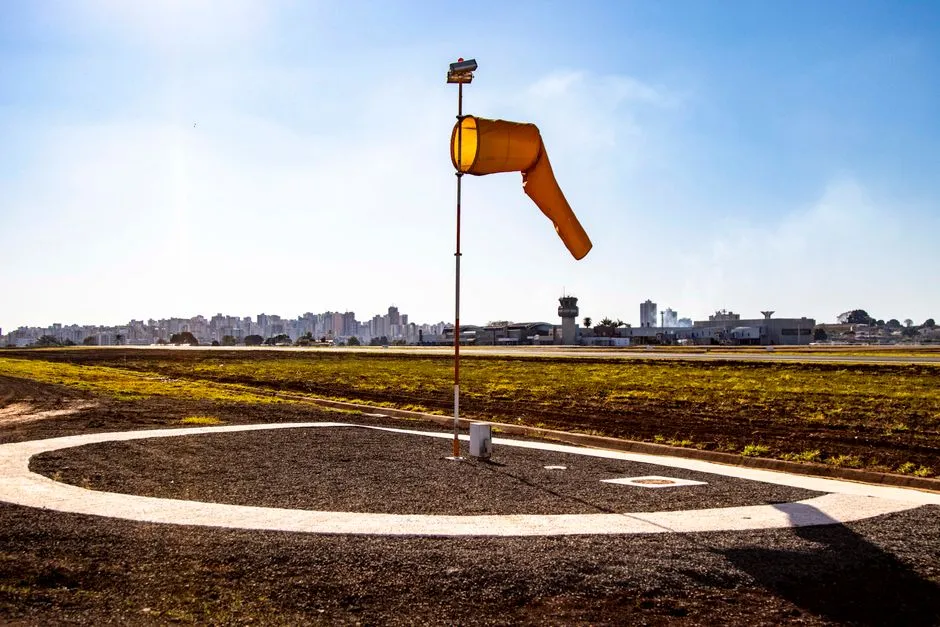
The clock rule taught for crosswind reads high, most of all at sixty degrees
The crosswind on a runway is the wind speed times the sine of the angle between wind and runway, and flight training tea...
Guides & How-tos · Worked examples · Real numbers
Step-by-step how-tos, head-to-head comparisons and honest roundups — every guide worked through with current figures, then backed by a RECATOOLS calculator or AI-directory entry so you can act on it.
The crosswind on a runway is the wind speed times the sine of the angle between wind and runway, and flight training tea...
Flying east asks the body clock to run earlier and flying west asks it to run later, and early estimates from real fligh...

Singapore's official heat stress readings blend three thermometers, one of them in the sun. Checked against 30 MSS stati...
Water vapour is lighter than dry air, so humid air raises density altitude even at a sea-level airport. At Changi's Apri...
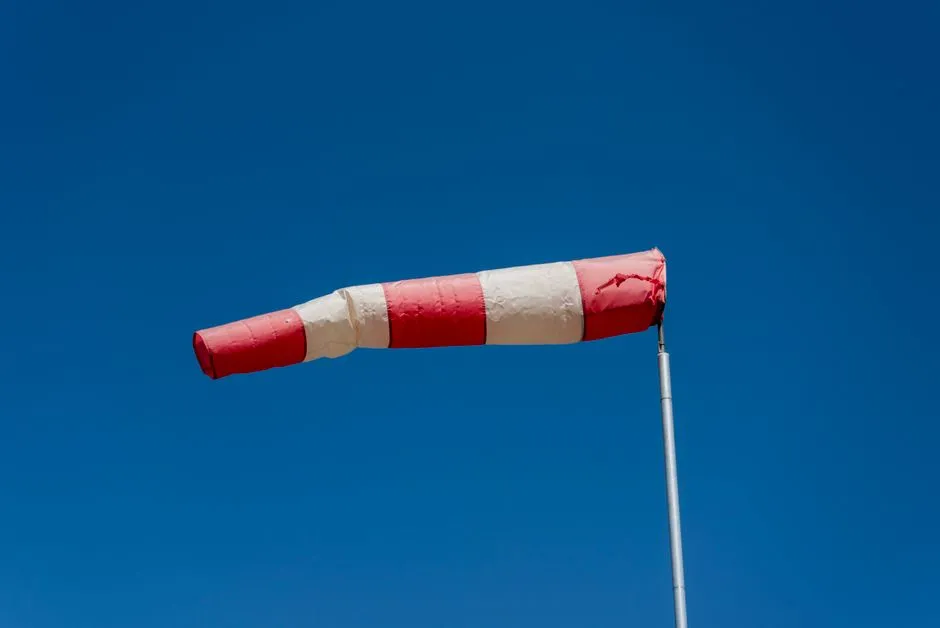
Wind pressure follows the square of the speed, so whether a figure is a 3-second gust or a 10-minute mean can more than...
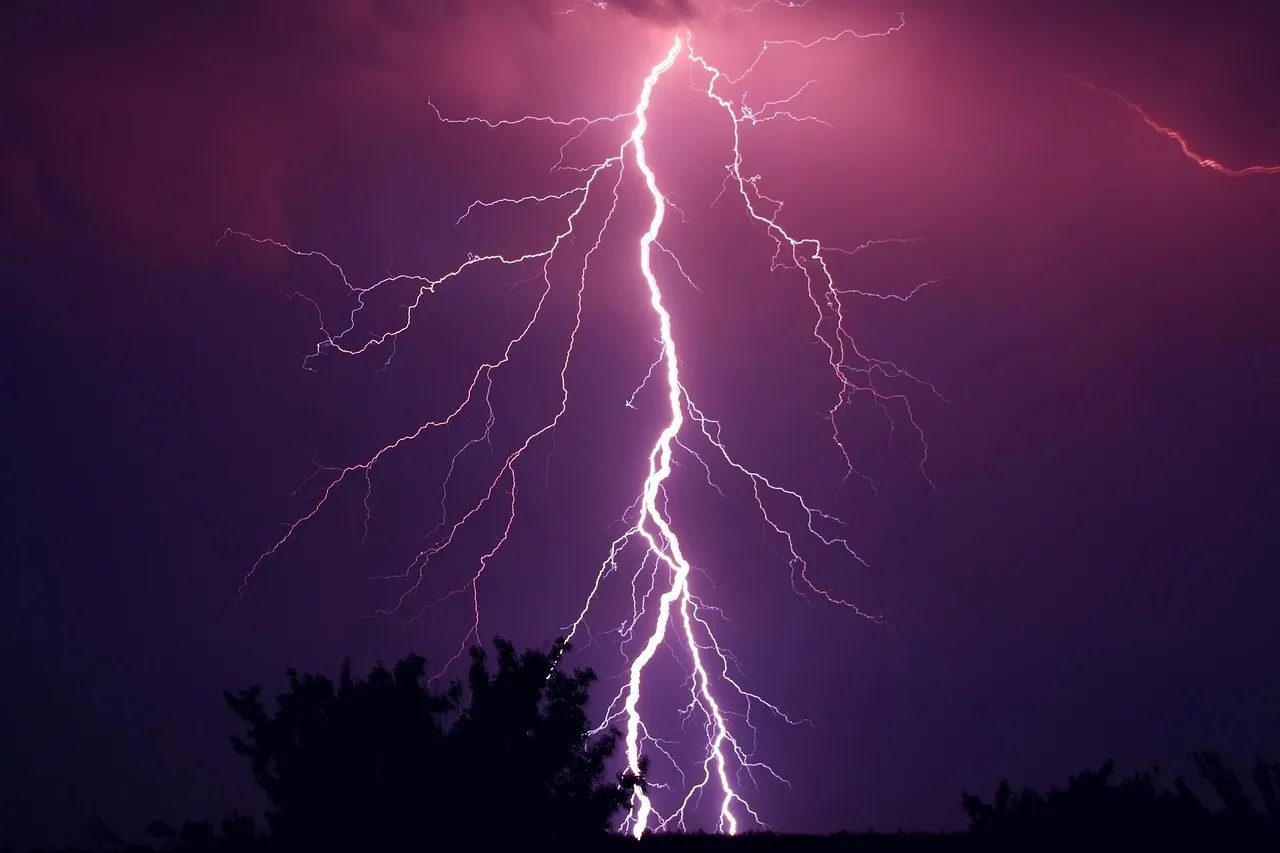
Dividing the seconds between a lightning flash and its thunder by three gives kilometres, but in Singapore's air sound c...

Naismith's 1892 rule allows an hour for every three miles plus an hour for every 2,000 feet of climb, and the day he sai...

At 90 km/h, Singapore's driving handbook says 95 metres, Britain's table gives 73 at a slightly higher speed, and US roa...

The same 70 micrograms of fine particulate reads 116 on Singapore's PSI, 96 on Malaysia's API and 161 on the US AQI. Alm...