Eva Chin writes for RECATOOLS on business and commerce in Southeast Asia: the commercial decisions small businesses actually face, and the markets and regulation around them. She also covers Chinese naming and cultural practice, education and qualifications across the region, and the arithmetic of a tropical home. Coverage of cultural practice is educational — it explains what a tradition holds and where it came from, and does not make predictive claims.

194
Articles
Business
Primary beat
Jul 2026
Writing since
~1230 min
Total reading

Articles · Home & Living Showing 1–10 of 23

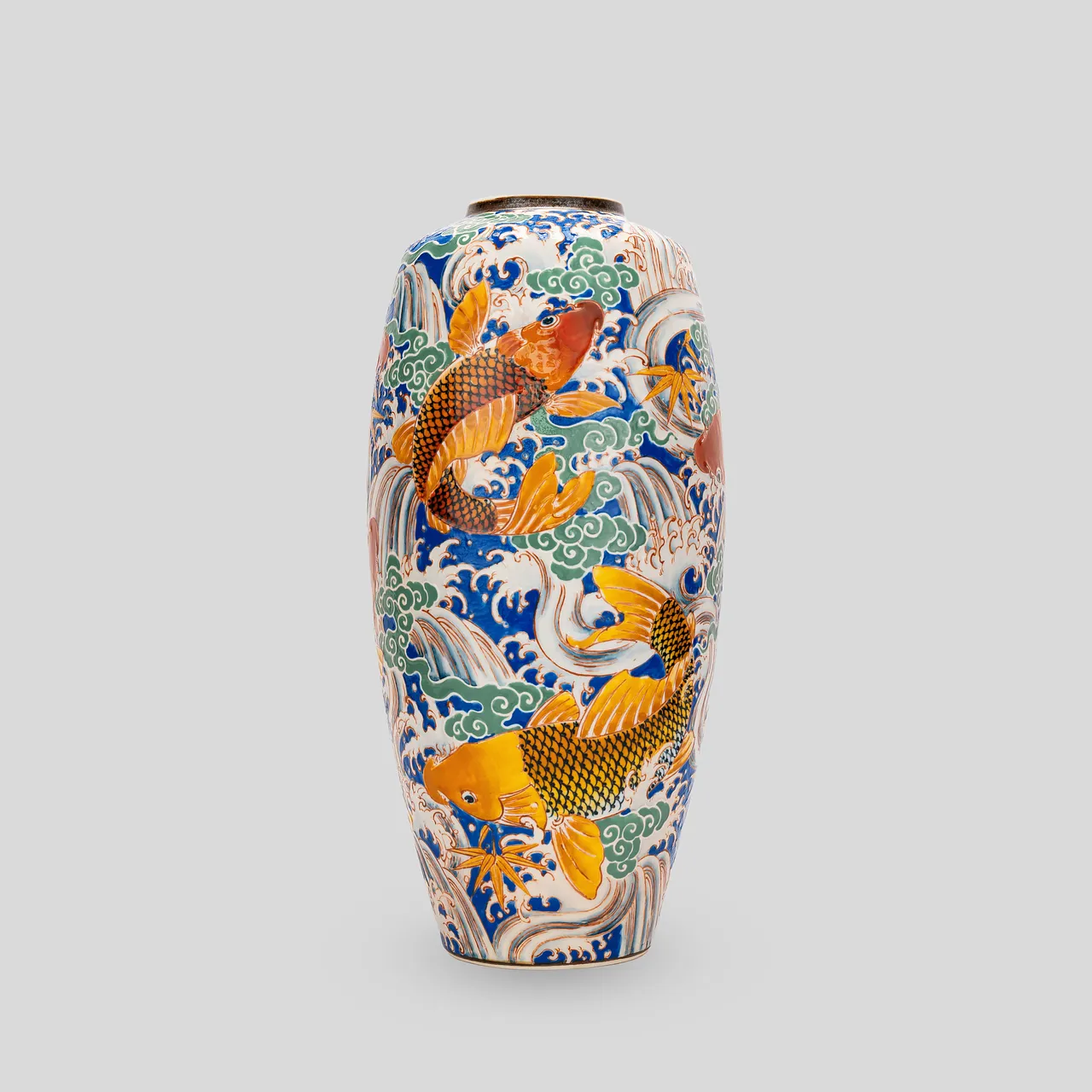
A porcelain vase painted with carp swimming among waves, against a plain grey background.
Home & Living

Most Chinese rebus puns the Palace Museum records also work in Cantonese

A Chinese rebus motif stands for a word by sound, as a bat painted for fortune does. We checked the 21 character pairs behind the Palace Museum's rebus motifs against Unihan and a CUHK Cantonese dictionary: 16 match exactly in Mandarin, and 13 or 14 in Cantonese, depending on how the magpie is read.

4 Nov 2026 · 6 min read
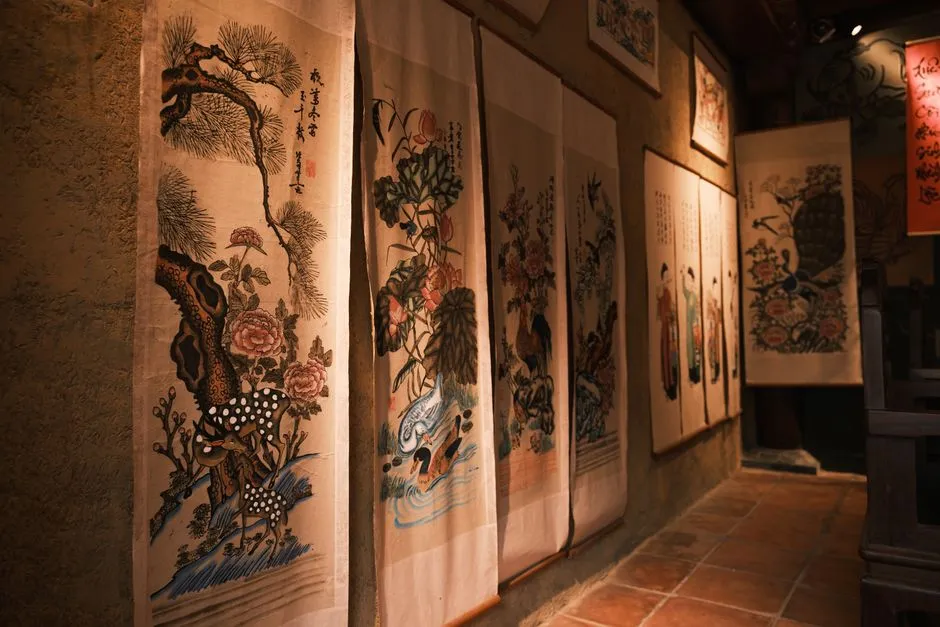
Painted hanging scrolls lining the walls of a dim gallery.
Home & Living

Most Chinese proverbs we could read in their source books are worded differently there

A Chinese proverb is a short everyday saying, and a few began as lines in classical books such as the Analects. We checked 160 sayings on one list against named sources, and six of the ten we could read in the original are worded differently there.

4 Nov 2026 · 6 min read
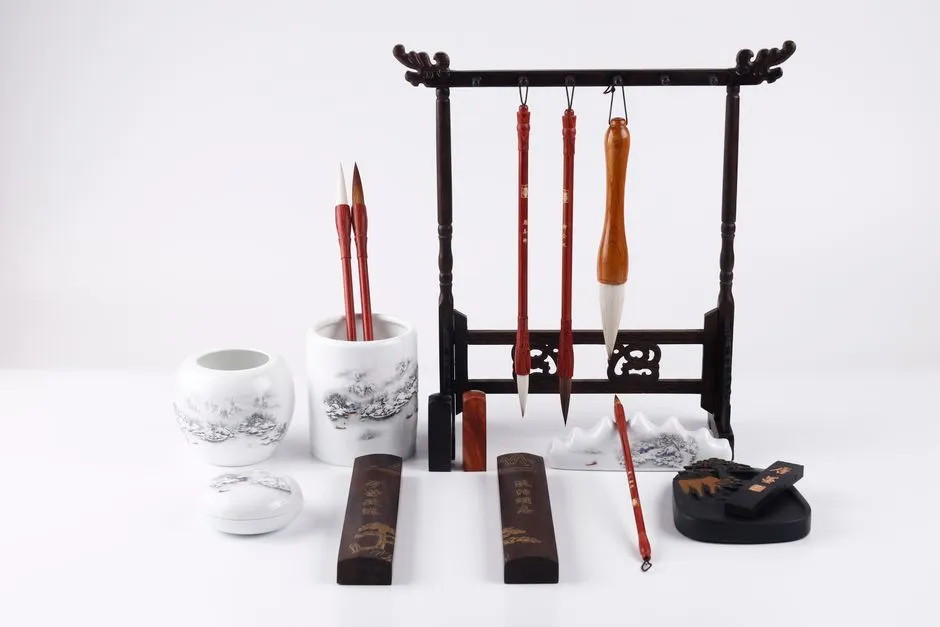
Chinese calligraphy brushes hanging from a rack beside ink sticks, an inkstone and porcelain brush pots
Home & Living

A mainland dictionary and Taiwan's draft table share about two-thirds of their common Chinese polyphones

Many Chinese characters have more than one reading, and mainland China and Taiwan rule on them in separate documents. Among common characters a 2013 mainland dictionary and Taiwan's 2012 draft share about two-thirds of their polyphones, while Taiwan's 1999 table stays in force.

1 Nov 2026 · 6 min read
Close-up of pale computer keyboard keys in blue light
Home & Living

Zhuyin typed in English mode decodes exactly to its symbols once the layout is known

When a Zhuyin input method is left in English mode, 你好 comes out as su3cl3. The standard and ET keyboard layouts read the same keys as different symbols, and a few keys in the garble show which one was used.

27 Oct 2026 · 6 min read
Hiragana characters brushed in black ink on white paper
Home & Living

How many kana there are depends on which list is counted

Japanese is written partly in hiragana and katakana, and a learner's chart shows 46 kana, but the official kana list in force since 1986 runs to 108 entries by our count. Unicode encodes far more, including 285 historic hiragana variants.

19 Oct 2026 · 5 min read
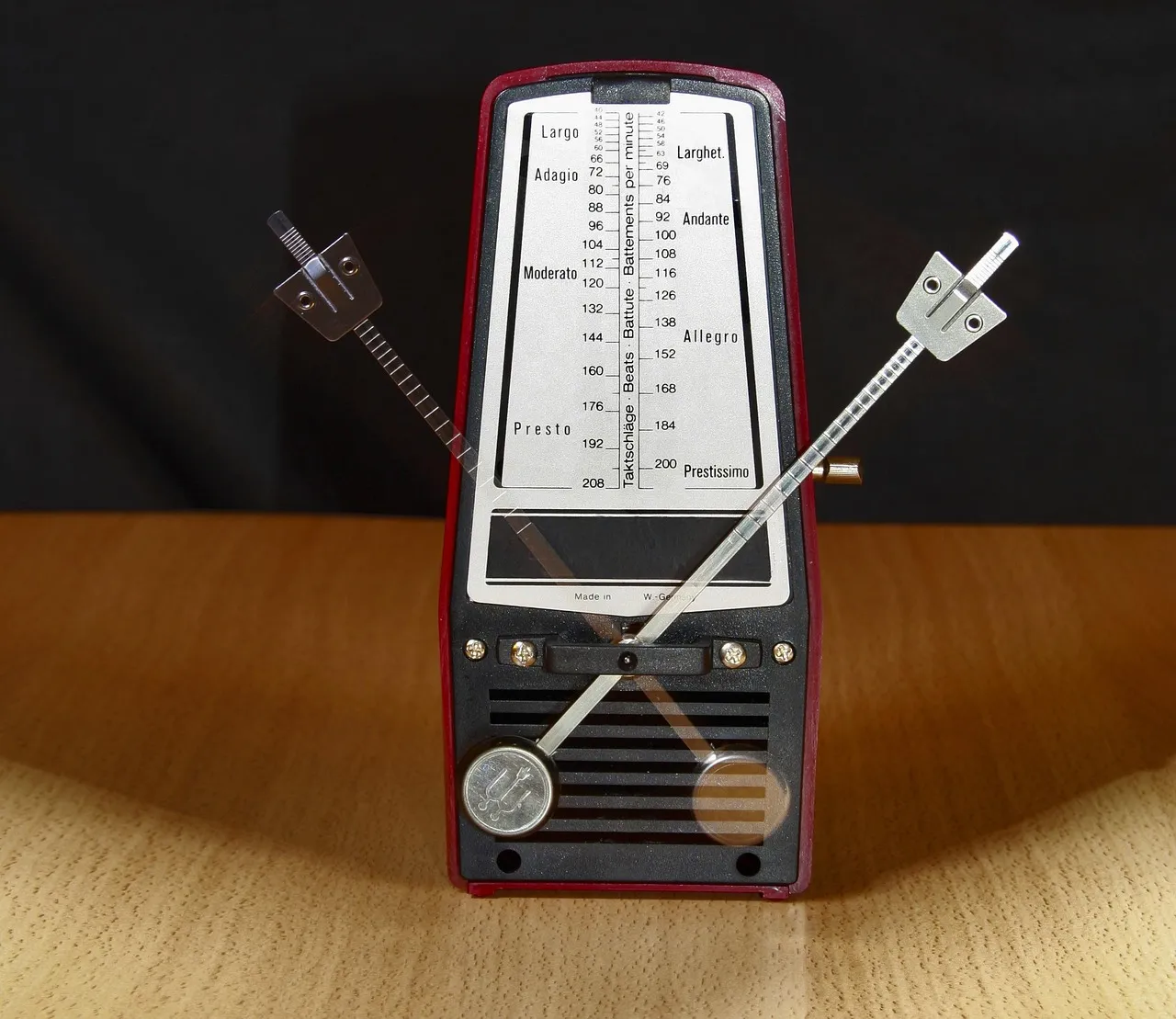
A wooden pyramid metronome with its pendulum swinging, on a table
Home & Living

Tempo charts disagree on how many beats a minute Andante means

Six published sources give Andante anywhere from 56 to 108 beats a minute, and by our count only 76 and 77 fall inside all of their ranges. Adagio and Moderato have no tempo that every one of those sources shares.

15 Oct 2026 · 6 min read
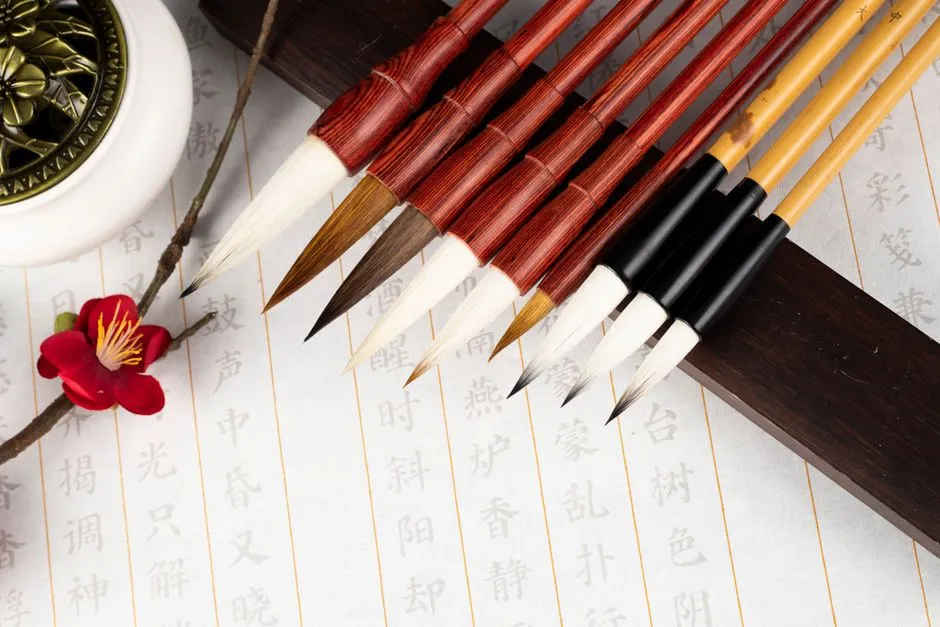
Calligraphy brushes with red handles resting beside a sheet of gridded writing paper
Home & Living

Japan's new kanji forms coincide with the mainland's in about a third of pairs

Japan fixed simpler print forms for its everyday kanji in 1949, and the 2010 Jōyō list still prints an old Kangxi form beside 362 of its 2,136 characters. Set against the mainland's GB 2312 character set, Japan's new form is the mainland's own character in 97 of the 302 separately encoded pairs.

15 Oct 2026 · 6 min read
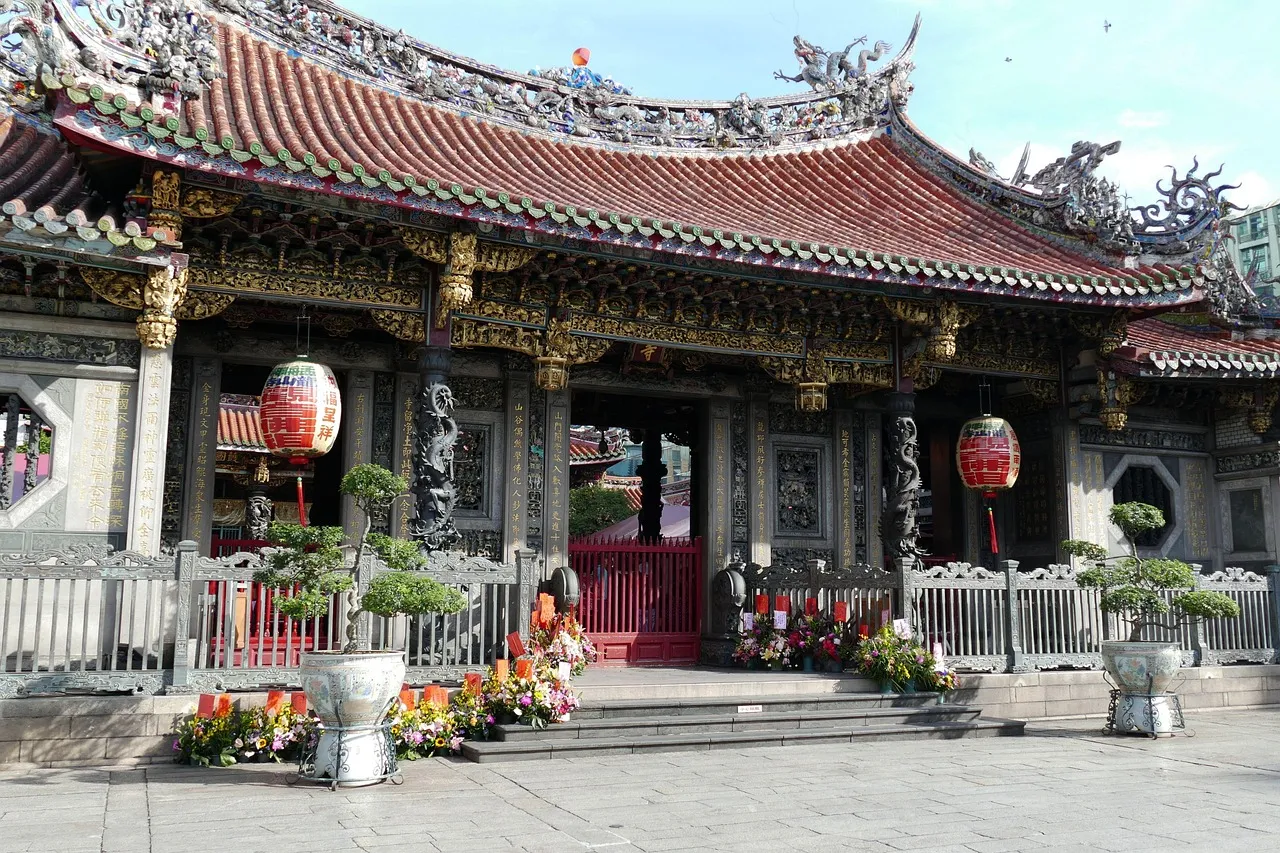
A temple hall with a curved red-tiled roof, carved dragons on the ridge and red lanterns at the doors
Home & Living

Over a third of a Hokkien dictionary's syllables change between Pe̍h-ōe-jī and Tâi-lô

Pe̍h-ōe-jī (POJ) and Tâi-lô are two ways of writing Hokkien in Latin letters, and Tâi-lô is the scheme Taiwan's Ministry of Education announced in 2006. Respelled from one to the other, 37% of the syllables in the ministry's Hokkien dictionary change, mostly through a few fixed letter pairs and a tone mark that moves.

15 Oct 2026 · 6 min read
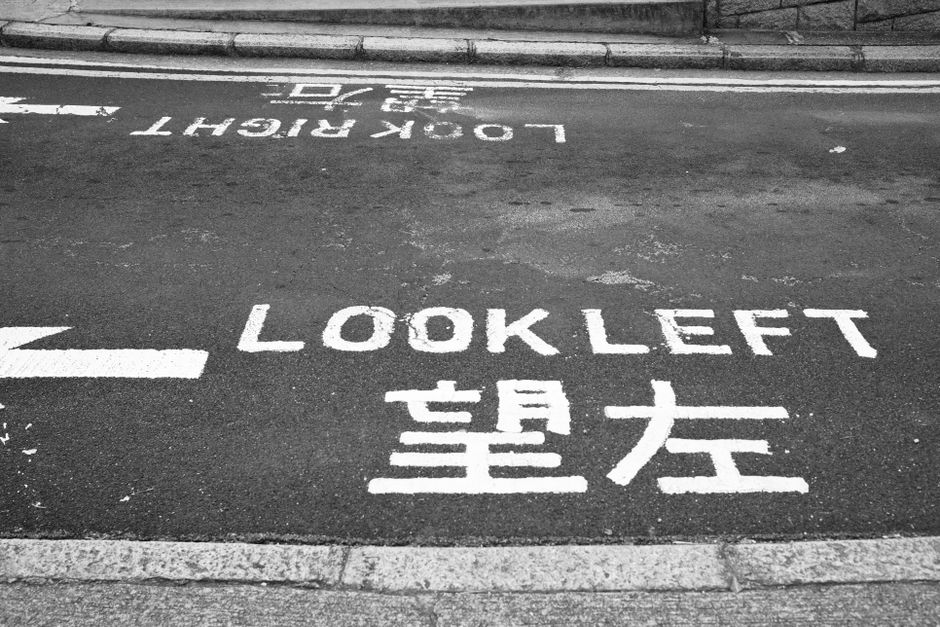
A Hong Kong road marking reading LOOK LEFT in English above 望左 in Chinese
Home & Living

Mainland and Taiwan telegraph codebooks nearly always give a Hong Kong ID card character the same code below 8000

The four-digit groups under a Chinese name on a Hong Kong identity card are telegraph codes, which the Immigration Department calls the Chinese Commercial Code. Unicode records a mainland book and a Taiwan book, and in its record the two almost always agree on a character until its code reaches 8000.

15 Oct 2026 · 6 min read
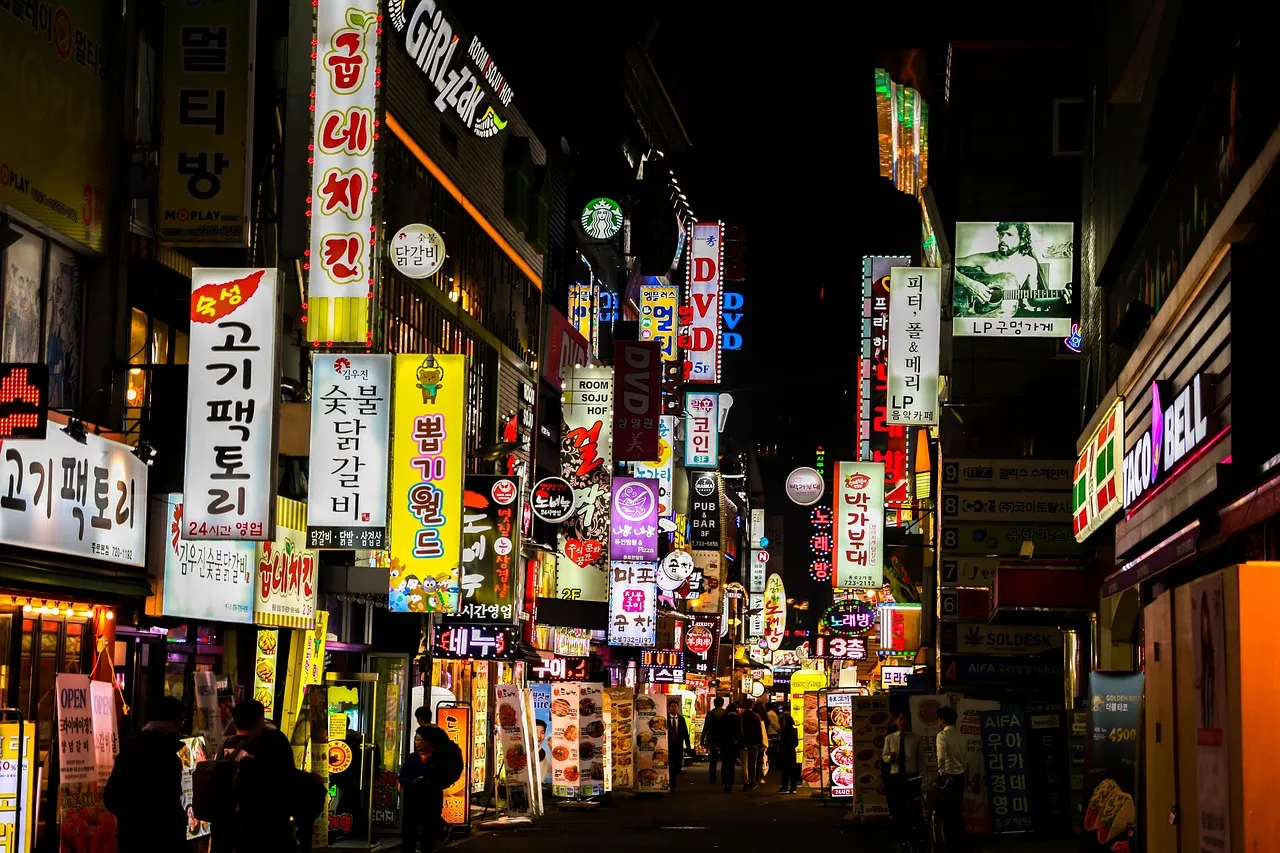
A night street in Seoul lined with illuminated shop signs in Hangul
Home & Living

Revised Romanization and McCune-Reischauer agree on 15.8% of a Korean learner's dictionary

Revised Romanization and McCune-Reischauer both spell Korean as it is pronounced, yet they spell only 15.8% of the 44,034 headwords in a Korean learner's dictionary the same way. Passports skip the sound rules and spell a name syllable by syllable.

12 Oct 2026 · 6 min read
Editorial Policy →
Advertisement