Amelia Wong is a RECATOOLS editorial persona focused on consumer technology, digital wellness, health-related tools, calculators, and practical lifestyle explainers. Articles under this byline help readers understand everyday data, online tools, and wellness-related information without replacing professional advice.

About this byline

Amelia Wong is a RECATOOLS editorial persona for consumer technology and wellness-related tool coverage. Articles are produced and reviewed under RECATOOLS editorial supervision.

Editorial responsibility for this byline rests with Jeffrey Tan (Tan Seng Fei), RECASYS, Singapore. Our Editorial Policy sets out how sources are reviewed, how AI-assisted workflows are used, and how editorial desks and personas are defined.

94
Articles
Consumer Tech
Primary beat
Jun 2026
Writing since
~740 min
Total reading

Articles · Chinese Culture Showing 1–4 of 4

An antique brass compass with degree gradations and cardinal markings resting on an old map beside a rope and book
Chinese Culture

How a Luopan Actually Works: the Chinese Compass and Its 24 Mountains

An honestly-framed look at the Chinese geomantic compass as an instrument: the needle housing, the rotating plate, and the 24 Mountains ring of exactly 15 degrees each. Plus the technical honesty most feng shui writing skips — declination is near zero in Singapore and Kuala Lumpur but 3°17′ west in Hong Kong, enough to move a reading into the next sector, while a published field study put smartphone compass errors as high as 80°.

25 Jul 2026 · 28 min read
Looking through a traditional Chinese timber doorway to an inner screen bearing a taiji symbol set in a tiled grid
Chinese Culture

Feng Shui Kua Numbers and the Eight Mansions, Explained: One Formula, Eight Trigrams, Three New Years

An honestly-framed look at how Eight Mansions (八宅) is actually constructed: the Later Heaven trigram grid it runs on, the Kua number 命卦 derived from a birth year, and the eight "wandering-year stars" that a trigram line-change rule generates rather than decrees. Two beats do the work — the two rival Kua formulas circulating on practitioner sites are provably one formula for every year from 1900 to 2099, and the year boundary sits at the solar term Lichun, not 1 January and not Lunar New Year, which is where neighbouring systems in the same tradition quietly disagree. It explains the machinery of a cultural tradition, not fortune-telling.

25 Jul 2026 · 19 min read
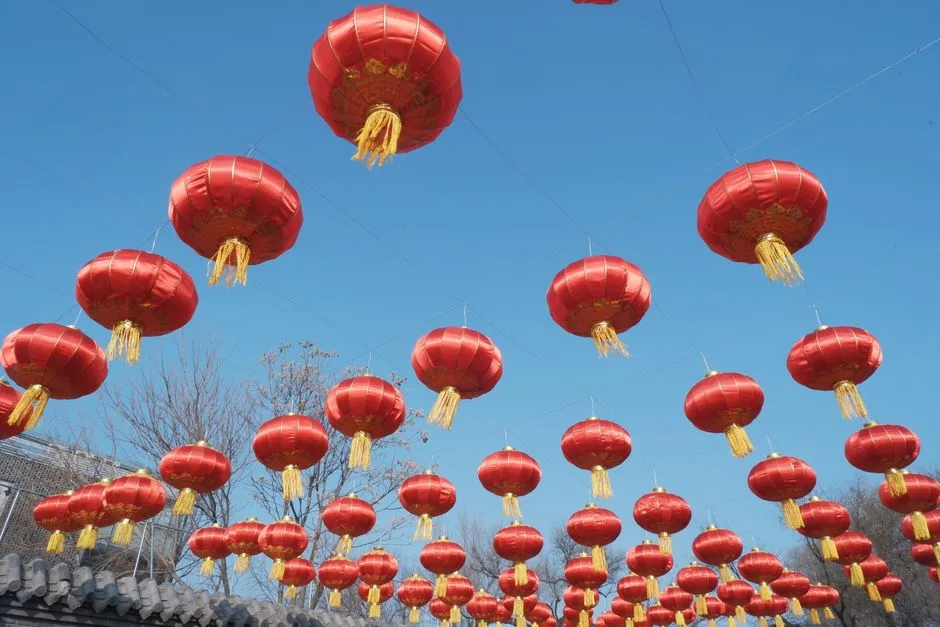
Rows of red Chinese lanterns with gold tassels strung against a clear blue sky above a tiled roof
Chinese Culture

The Chinese Zodiac Beyond Horoscopes: 12 Animals, 5 Elements, and How Compatibility Really Works

An honestly-framed look at how the Chinese zodiac is actually built: the twelve animals and the ancient Earthly Branches they ride on, the Five Elements layered by the Heavenly Stems into a 60-year cycle, and the boundary most explainers get wrong — the popular animal turns at Lunar New Year, but Bazi's year turns two weeks earlier at the solar term Lichun. It explains the system as a cultural tradition, not fortune-telling, and shows how compatibility is traditionally reckoned by trines and clashes.

25 Jul 2026 · 16 min read
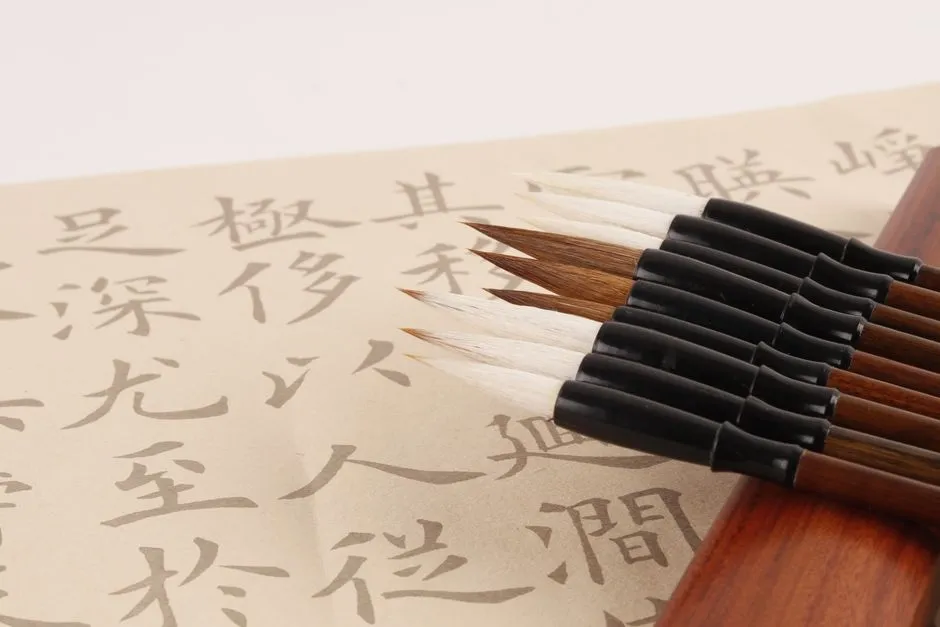
Traditional Chinese calligraphy brushes resting on paper covered in brushed Chinese characters
Chinese Culture

What Bazi Actually Is: Reading the Four Pillars of Destiny, for Beginners

A plain-English, honestly-framed look at how a Bazi (Four Pillars) chart is constructed: eight characters, ten Heavenly Stems and twelve Earthly Branches, the sexagenary cycle, and the one detail most explainers get wrong — the year pillar turns at the solar term Lichun, not Lunar New Year. It explains the machinery, not fortune-telling.

24 Jul 2026 · 17 min read
Editorial Policy →