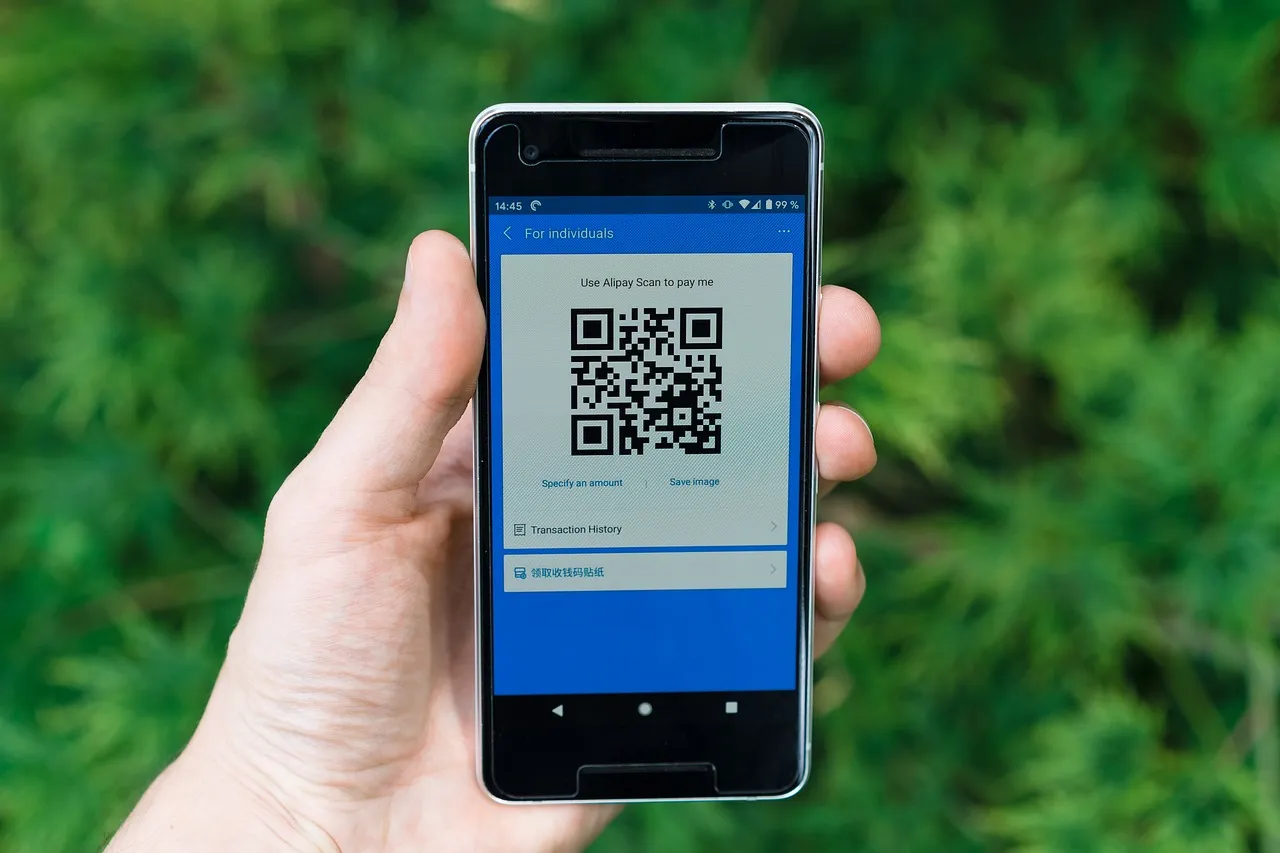
25 SEP 2026 — UnionPay used a trade fair in Nanning this week to announce that its QR payment network now reaches more than 38 million merchants across all ten member states of the Association of Southeast Asian Nations.
The number is UnionPay's own, and what it counts is worth pausing on.
What the number counts
Thirty-eight million is a count of merchants who can accept a UnionPay QR code. It is not a count of transactions, of active merchants, or of anyone who has used the network. Acceptance footprints are the easiest figure in payments to grow and the hardest to interpret.
The wider claim is 46 million overseas QR merchants in total, a figure the company says it passed after a payment link with Indonesia went live in June. Both numbers come from a company release on a paid newswire, not an audited filing.
Where it was announced
The disclosure came at the 23rd China-ASEAN Expo, an annual trade event in Nanning, in a release naming Dong Junfeng, chairman of China UnionPay and UnionPay International, as attending.
A trade fair is a place for claims, not audits. That does not make the figure wrong; it does mean nobody outside the company has checked it.
The links that are live
Two country connections are described in concrete terms. The China-Indonesia link went live in June. With China and Vietnam, the company says system integration is complete and Chinese consumers can pay with their wallets in Vietnam, while acceptance of Vietnamese wallets inside China is still being worked on.
Most of these arrangements are asymmetric: outbound first, inbound later. The inbound half is where the harder regulatory work sits.
Claims without methodology
Another figure in the release warrants more scepticism than the merchant count. UnionPay says an out-of-band authentication rollout produced a 90 per cent drop in fraud rates at pilot banks against pre-deployment levels.
No methodology accompanies the claim: no baseline period, no definition of fraud, no number of banks, no independent assessment. Depending on that missing detail, a 90 per cent reduction is either the most important sentence in the release or it means very little. As published, there is no way to tell which.
The release also describes an agentic payment protocol for smart glasses and in-vehicle purchases, and an application offering QR payments in 27 languages to visitors without a Chinese bank card.
What a merchant count omits
Reach is not usage. A network can be accepted everywhere and still used rarely; acceptance figures get quoted precisely because the usage figures are less flattering. UnionPay published no transaction volumes for the region.
The release omits the one number that would settle it: how much money actually moves across these links.