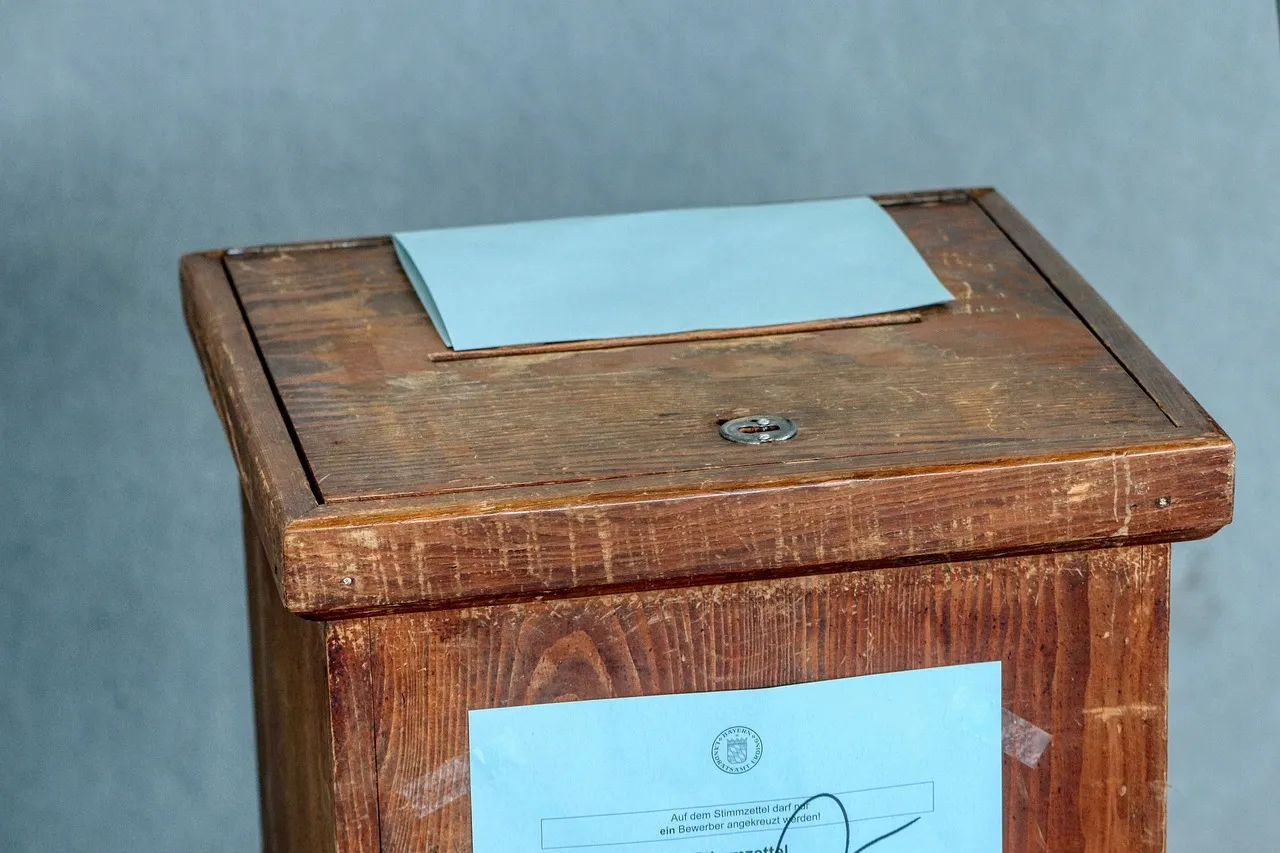
29 SEP 2026 — Thailand's Constitutional Court upheld February's general election. In a unanimous ruling on 28 September, it said the barcodes and QR codes printed on ballot papers did not break the constitutional guarantee of a secret vote.
The court also said future ballots should avoid markings that could be linked to a voter, so the codes are unlikely to appear in the same form again.
What was challenged
The Office of the Ombudsman referred the case after 22 complaints about the Election Commission's handling of the 8 February election. The complaint was that codes printed on each ballot could, in principle, let someone trace a ballot back to the person who cast it.
The Nation set out four possible outcomes before the ruling, from dismissal to annulling the whole election and ordering a new nationwide vote. A middle option would have removed the 100 members elected from party lists.
Nearly 38 million people voted in February, and Prime Minister Anutin Charnvirakul's Bhumjaithai Party controls more than 290 of the 500 seats, Reuters reported.
How the court reasoned
The court distinguished absolute secrecy, where a ballot carries no identifying mark at all, from what it called conditional secrecy. Under the conditional model, codes may be used for administration and fraud prevention, but access to anything that could identify a voter is restricted.
A barcode on a ballot "does not directly show which candidate or party a voter selected", the court said. Identifying one person's vote would require matching three separate records: the ballot, its counterfoil and the electoral roll, each kept under security controls.
The Election Commission argued the codes stopped counterfeit ballots, kept count of ballot numbers, prevented ballots being sent to the wrong constituency and made printing more efficient. The court accepted that the codes served "management purposes by election officials, with no intent to trace individual votes", according to Reuters.
What the ruling asks for next time
The court recommended that future ballot designs weigh anti-counterfeiting needs against the risk of any marking being linked to information that identifies a voter. It called for particularly strict safeguards on how ballots are stored and who can access them.
A code that is harmless while the counterfoils and roll stay locked away becomes a risk if those records are ever joined, whether by an insider or through a breach.
What the ruling leaves open
The judgment shifts the argument from the code to the safeguards. What now matters is who holds the counterfoils and the electoral roll, who can reach them, and whether that access is logged.
The court has asked for strict safeguards but, in the reports so far, has not specified what they must be. The Election Commission will have to settle that before the next vote.
A court with a history
Thailand's Constitutional Court has voided elections before, in 2006 and 2014, and both were followed by military coups, Reuters noted. This time it left the result in place.

View author profile → · Editorial policy