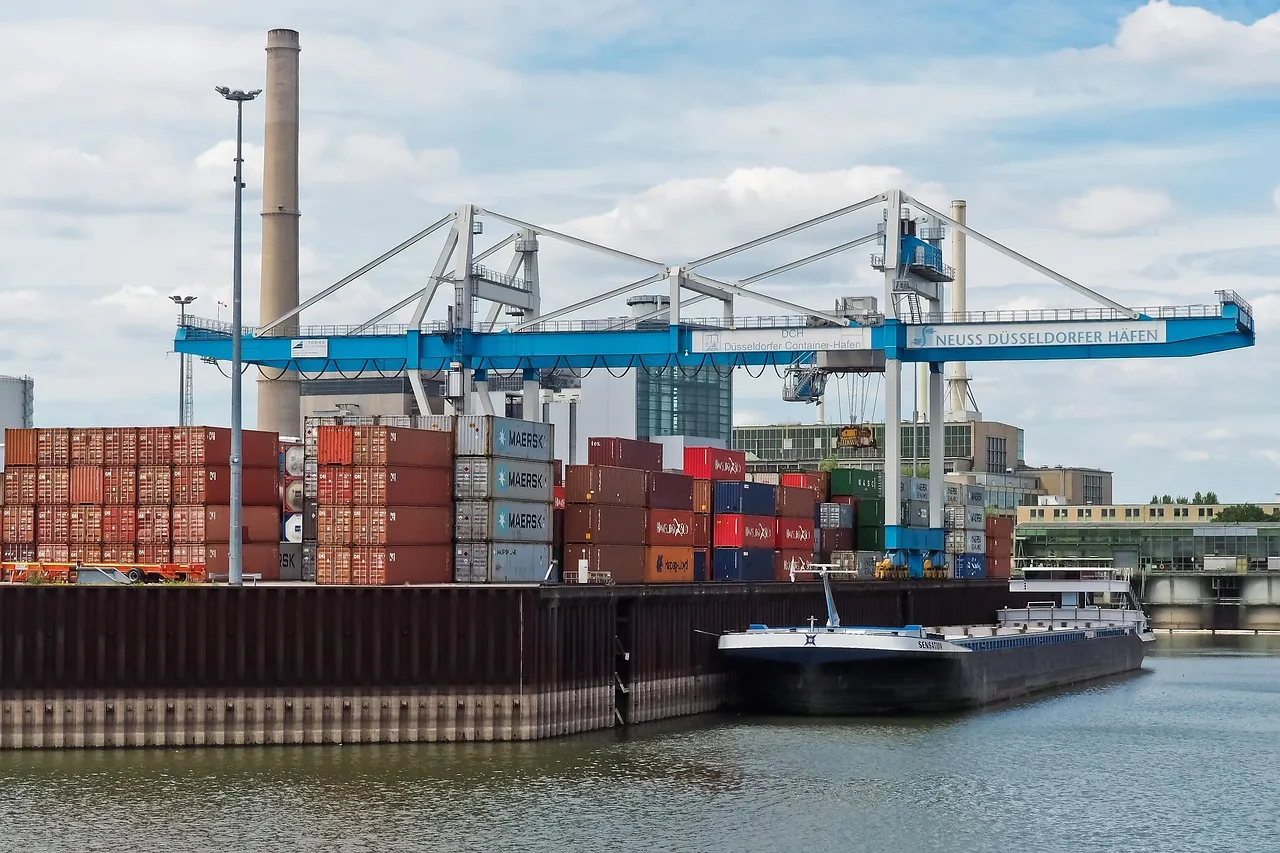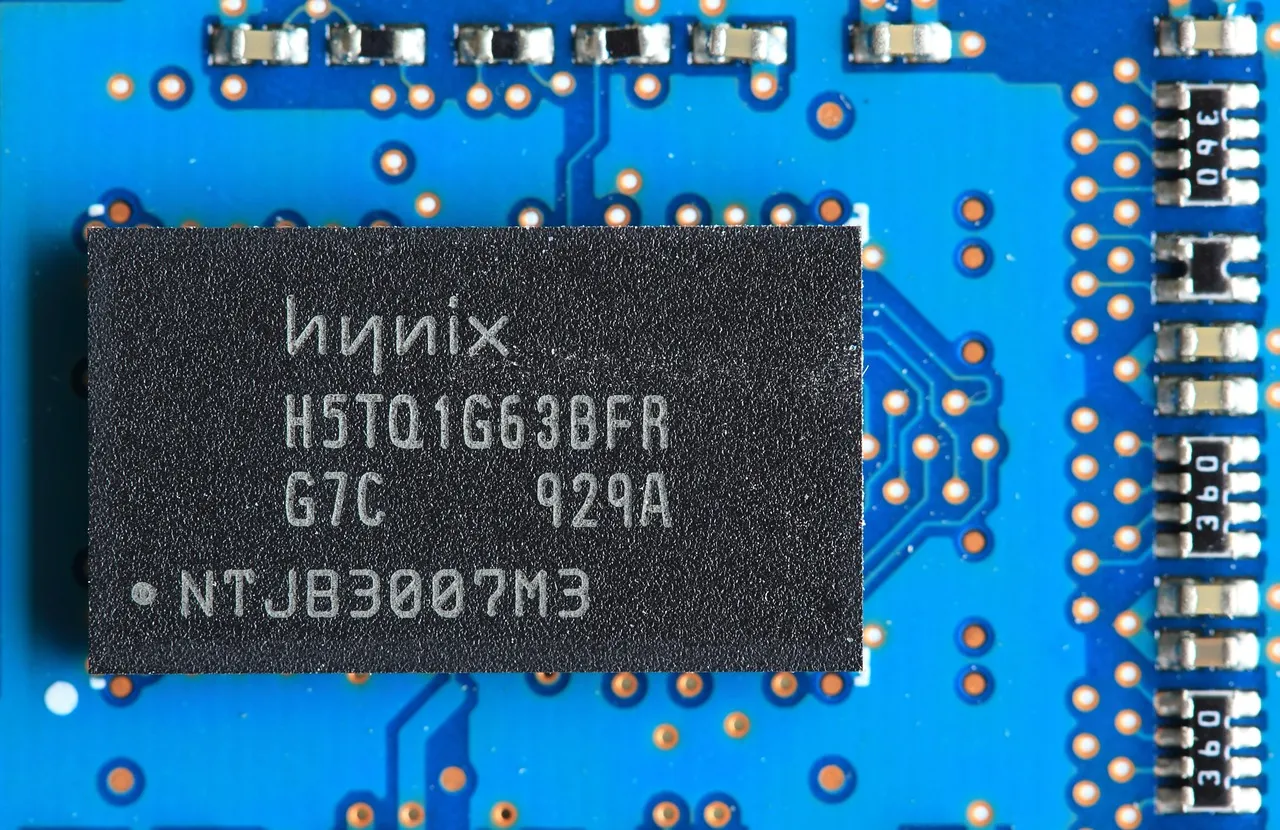
1 SEP 2026 — SK Hynix is studying a memory plant in Japan's Miyagi Prefecture, an investment reported in the tens of trillions of won, and Miyagi wants it. The obstacle sits in Seoul rather than in the numbers. South Korea designates advanced memory processes as national core technology, and moving them abroad requires government approval by statute.
What has been said, and by whom
SK Group chairman Chey Tae-won has confirmed the company is reviewing a joint-venture semiconductor plant in Japan, saying the study is in progress and that he will say more when it concludes. SK Hynix has separately said it is still assessing feasibility.
The site under discussion is in Miyagi Prefecture in northeast Japan, and the facility would be the first major production plant established in Japan by a South Korean chipmaker. Reported figures run into the tens of trillions of won. Japan's policy of large subsidies for foreign semiconductor investment is cited as a factor in favour, and Washington is separately lobbying for more of the same investment to land in the United States.
The hurdle has a name
South Korea operates a designation regime for national core technology under its industrial technology protection legislation, and advanced memory processes are on that list. Coverage that describes Seoul's reluctance over technology-leak concerns is pointing at that regime without naming it.
A company holding a designated technology needs government approval to transfer it abroad, and the requirement is stronger where the company has received state support for the relevant research. Approval is a formal decision made against statutory criteria, which is a materially different thing from a political mood that shifts with the news cycle.
Anyone reading this as a negotiation should account for that. Lobbying and a well-timed domestic investment announcement can move a government's reluctance. A statutory approval requirement has to be satisfied on its own terms, and a refusal is reviewable rather than reversible by persuasion.
Why Miyagi and why now
Japan has spent several years rebuilding a domestic semiconductor base with subsidies large enough to change the arithmetic for foreign entrants, and northeast Japan has the land, the water and the grid capacity that memory fabrication requires.
The customer logic points the same way. High-bandwidth memory goes into accelerator packages assembled with advanced packaging capacity, and Japan holds a strong position in the materials and equipment layers those processes depend on. Building closer to that supply base shortens a chain that currently crosses borders several times per wafer.
The competing pull is from the United States. Washington wants the same investment on American soil, and at this scale it is close to zero-sum: a company builds one plant of this size in a cycle, not two.
What a joint venture changes about the approval
Chey described a joint venture rather than a wholly owned plant, and that structure bears directly on the approval question.
A joint venture with a Japanese partner brings local capital, local political standing and access to Japanese subsidy programmes that may be structured for domestic entities. It also complicates the technology question, because a partner with an equity stake has a different relationship to the process knowledge inside the plant than a subsidiary does.
This cuts both ways in Seoul. A joint venture can be framed as investing in a customer relationship rather than relocating capability. It also makes it harder to argue that the designated technology remains under full Korean control. Whether the structure helps or hurts the approval depends on which of those two framings the ministry applies, and that is not knowable in advance.
The domestic argument SK Hynix has to win first
An overseas plant of this size will be argued in South Korea as a question about hollowing out. The country's semiconductor sector is a substantial share of its exports and a politically sensitive employer, and a decision to build the next major memory capacity in Japan rather than at home will be read as a judgement about domestic conditions.
The counter-argument is that customer proximity and subsidy availability are commercial facts rather than a verdict on Korea, and that a company serving global customers builds where those customers are. Both positions have merit.
What makes this harder than a normal siting debate is the other country involved. A large Korean industrial investment in Japan carries a historical weight that a comparable investment in Texas or Ireland would not. Plenty of Korean capital has gone to Japan regardless, so the weight is a reason to expect the approval to be political as well as technical rather than a reason to expect it to fail.
What this means for the region
Memory pricing and availability are the constraint that has been shaping device costs across this region, and a new large-scale plant changes that equation late in the decade rather than next year — fabs of this class take years to build and longer to yield.
The nearer-term signal is about where memory capacity is being planned, and the answer is increasingly not in one country. Buyers in Southeast Asia whose supply agreements assume Korean-origin memory should note that origin diversification is now a live corporate question for the second-largest supplier.
We reported that South Korea established a five-trillion-won fund aimed at its chip supply tier. Read alongside this, the two are the same policy problem from opposite ends: keeping the industry at home while its largest firms decide where the next plant goes.

View author profile → · Editorial policy