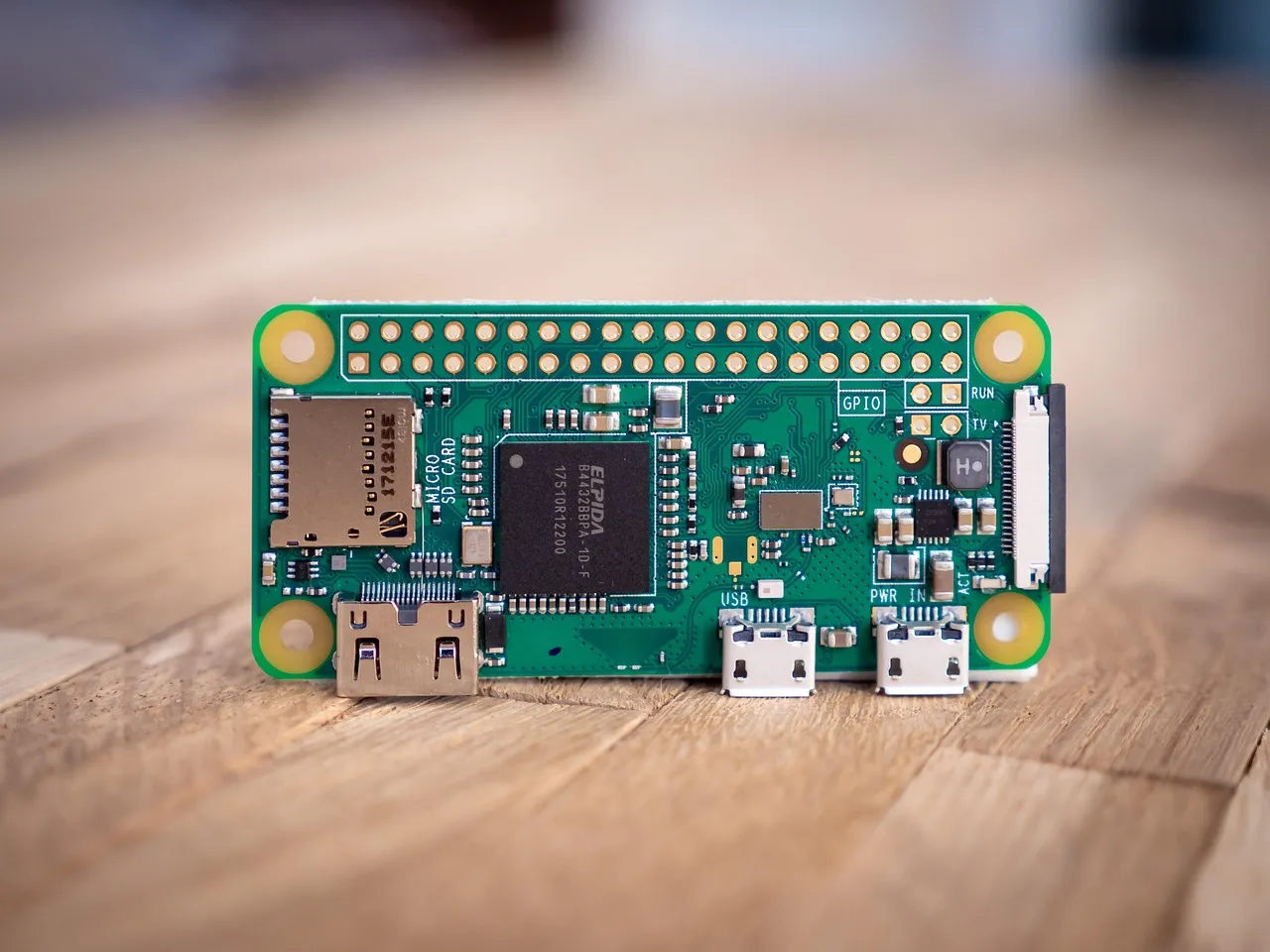
3 OCT 2026 — Meta's Muse is an AI agent that books travel, fills in forms and shops for its users, mostly from a phone or a computer. On 2 October Meta opened the platform to home-built hardware. The project, called Muse Gadgets, gives hobbyists open-source code to connect Muse to cheap boards, screens, speakers and sensors, and to let it run commands on a home Linux machine.
The launch came on the same day Apple said it would tighten access to a Mac setting because of the risks AI agents bring, and while Meta faced a dispute over whether Muse read a user's messages without permission.
What Meta released
On the Muse Gadgets site, Meta offers two software development kits: one for ESP32 microcontroller boards, and one for Linux machines such as a Raspberry Pi. The code is published on GitHub under the Apache 2.0 licence. Builders get a token from their Muse account to connect a device.
The site lists example builds using off-the-shelf parts. They include a round touch screen with push-to-talk, a colour e-ink display for a morning briefing or shopping list, a pocket-sized status screen and a Home Assistant voice speaker. An HDMI stick that would put Muse on a television is listed as coming soon.
Meta's own device
Meta also built a gadget of its own. Nat Friedman, head of product at Meta Superintelligence Labs, said on X that the company made 5,000 Muse Home Links. The small USB-C devices let Muse connect to a home network and control speakers and smart TVs on it, and Meta is giving them free to Muse subscribers while supplies last, TechCrunch reports. Friedman said they would ship in a few weeks.
Giving an agent a body
The Linux kit's description has the line that matters. Meta suggests builders "hack in your own commands to let Muse handle sysadmin chores or your Home Assistant setup." That would allow an AI agent to run commands on a home server, or to switch lights, locks and appliances that Home Assistant controls.
What Meta says about the risks
Meta's site is blunt about the hardware risk. It warns, "Side effects of tinkering may include bricked boards, voided warranties, brownouts, or bankruptcies," and says the code is provided "as-is, without warranty." The page says little about what an agent with command-line access should be allowed to do. Apple, announcing its Mac changes, warned that as agents become more capable and autonomous, "the risks associated with this level of access will grow substantially," as we reported this week.
Where it fits for Meta
Muse Gadgets is one of several moves to push Muse beyond a chat app. TechCrunch notes that earlier in the week Meta introduced Muse for Small Business, which connects the agent to tools such as Shopify, Dropbox and Slack, and launched a business unit to sell its AI to companies. The gadget project has a much smaller hobbyist audience. Meta says the devices shown are made by other companies and it does not endorse them.

View author profile → · Editorial policy