SINGAPORE, 29 AUG 2026 — Manchester Airports Group has disclosed a breach affecting about 8.7 million customers of Manchester, Stansted and East Midlands airports. The headline number consists mostly of email addresses from free wifi sign-ups. The dangerous data belongs to a much smaller group: the people who booked parking or lounge access.
What was taken, and from whom
The bulk of the accessed data was email addresses linked to terminal wifi registrations. Alongside that, and drawn largely from customers who had booked car parking, lounge access or Fast Track security, the attackers also obtained phone numbers, vehicle registration numbers and postcodes.
MAG says the compromised system held no bank account or payment card details, and that passenger safety, airport operations and aviation security were unaffected. The group detected unauthorised activity on Tuesday 25 August, following intrusion over the preceding weekend, and says it contained the risk immediately. A ransom was demanded and MAG says it refused to pay.
Why the small subset is the serious one
An email address harvested at an airport wifi portal is worth very little on its own. It confirms that a person passed through a terminal at some point, which is neither secret nor useful.
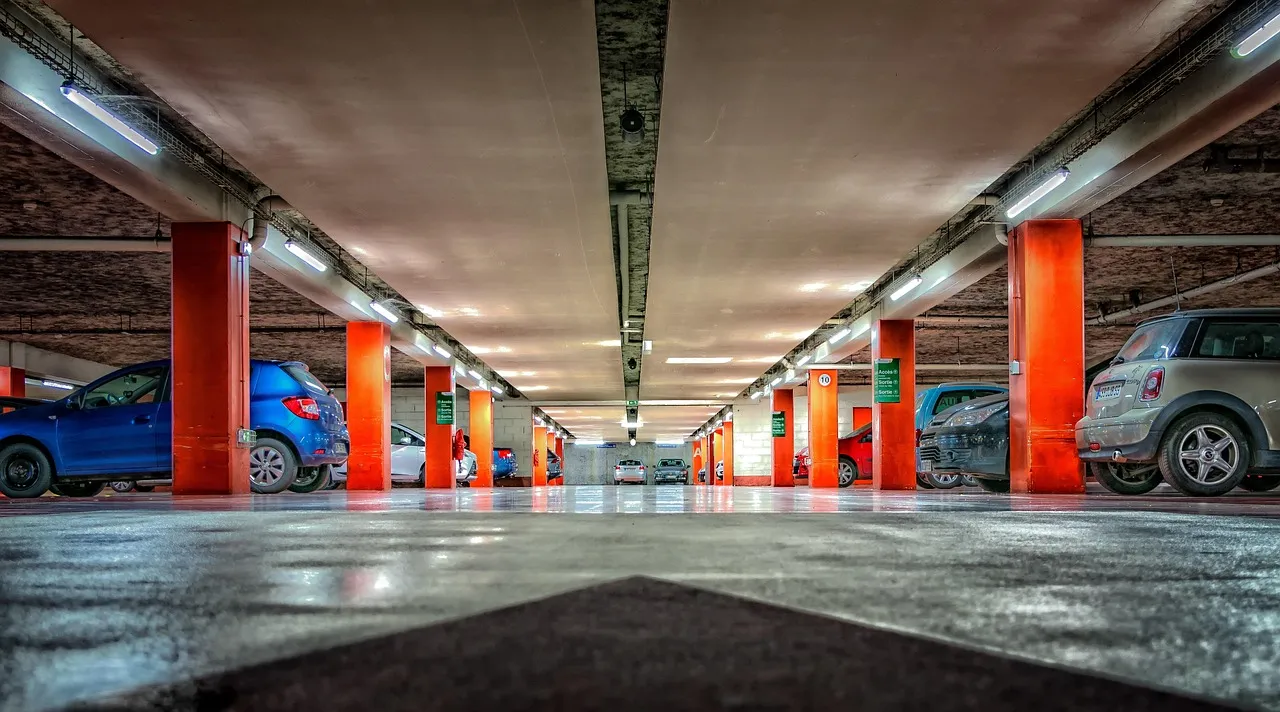
The parking and lounge records are in a different category of risk. A vehicle registration, a postcode and an airport parking booking combine to identify a specific car, a likely home address and a window of time when that home was probably empty. Those three facts are individually mundane and jointly actionable in a way that a credit card number is not, because a card can be cancelled in a phone call and a number plate cannot.
The reassurance that no payment details were taken is true, and it misses the point. Organisations focus on reporting payment-data loss because it has a regulatory regime attached. In this case it is not the data that creates the most direct physical risk to a customer.
What the number counts
Breach figures are almost always record counts rather than people counts, and the gap between the two is usually large.
Anyone who connected to the wifi at all three airports over several years may appear several times. A person who registered with a work address and a personal address appears twice. Frequent travellers, which is who uses airport wifi most, are the most likely to be counted repeatedly. Nothing published so far indicates whether MAG deduplicated, and the phrasing — approximately 8.7 million customers — suggests a figure derived from records rather than from resolved identities.
The point is not that the breach is smaller than reported, but that the headline number is the least informative part of it. The pattern has appeared before: in the Philippines, where two incidents accounted for half of 335 million exposed records, and in the French education breach that was counted in lines rather than in people. Large round totals travel further than the details of what was actually taken, and the risk is in those details.
The phishing problem is the immediate one
Attackers now hold email addresses and phone numbers that are demonstrably associated with a specific airport group and, for a subset, with a specific booking type.
A generic phishing email claiming to be from an airport is easy to dismiss. The specificity of the stolen data is what makes a fraudulent message work. A message that names the correct airport, references a car park booking and quotes a genuine vehicle registration is considerably harder, and none of that requires the attacker to have taken any payment data at all.
MAG has told customers it will never contact them unexpectedly to ask for card details, banking information or passwords. That is the right advice, and it implies that the company expects impersonation attempts and that the data taken is enough to make them convincing.
What the response tells you
Two operational details are worth reading closely.
MAG took its Manage My Booking portal offline as a precaution, requiring customers to telephone for changes within 72 hours of travel. Pulling a customer-facing system during peak summer travel is expensive and inconvenient, and organisations do not do it unless they are unsure of the boundary of the intrusion. It is a sign of caution rather than a sign of a wider compromise, but it does indicate that containment was still being established.
Refusing to pay the ransom was the more consequential decision. A refusal makes publication or resale the likely outcome, and it is still the right call, because paying only buys a promise from a party that has just demonstrated it cannot be trusted. Malaysia reached the same conclusion when Qilin demanded US$10m from Kuala Lumpur International Airport and was refused.
The regional read
Airport wifi portals across this region collect the same category of data for the same reason, and they are rarely treated as sensitive systems because the data in them looks trivial.
That assessment is defensible for the wifi list alone and it fails as soon as the same estate also holds parking and lounge bookings. The exposure comes from the combination of the two data sets, which usually exists by accident: wifi and booking systems are often part of the same commercial platform.
The practical question for an operator here is not whether the wifi database is protected to the standard of a payments system. It is whether the parking and lounge records live in the same place, and whether anyone has assessed them as what they are: a list of vehicles, home postcodes and travel dates.
Customers of the three airports should expect targeted messages, treat any unexpected contact referencing a booking as suspect, and verify through a number they look up themselves rather than one supplied to them.

View author profile → · Editorial policy