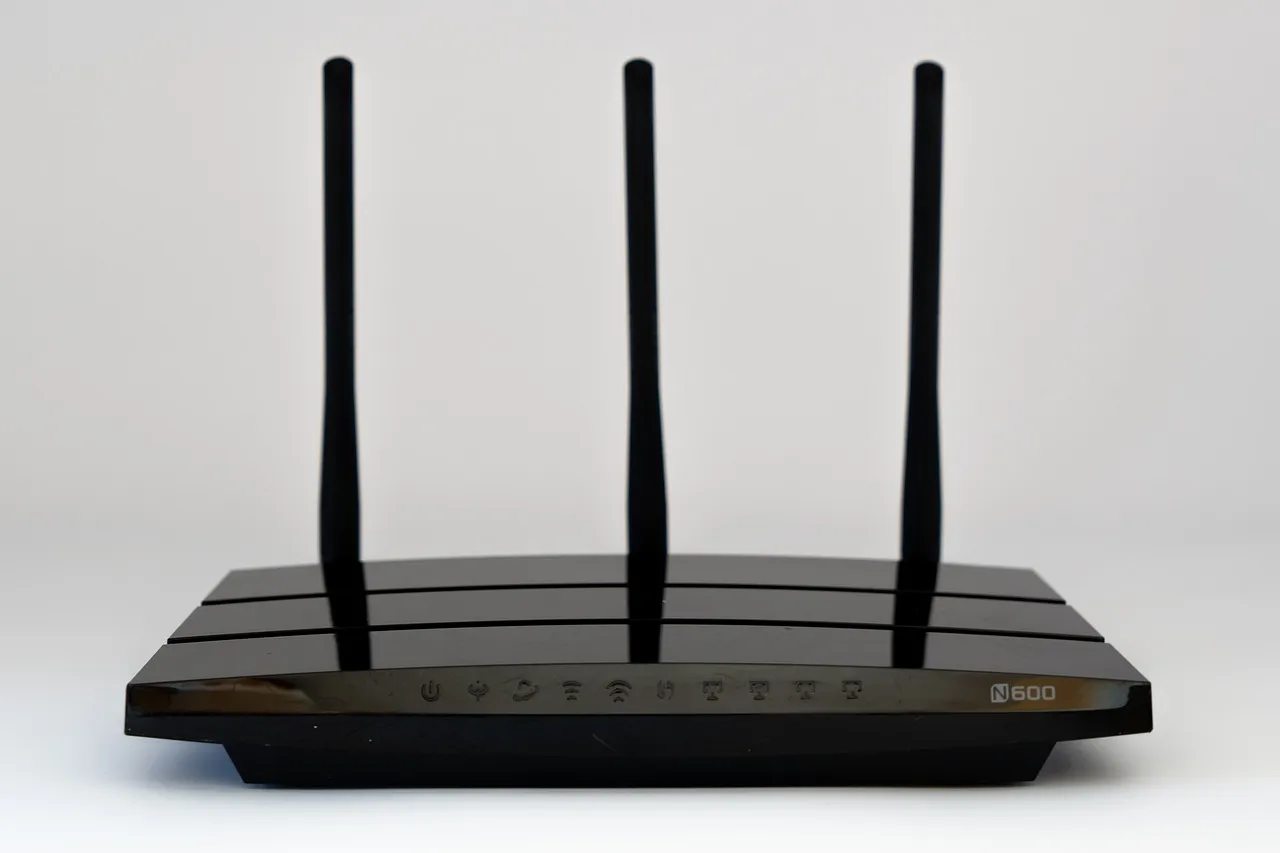
SHENZHEN, 29 AUG 2026 — Huawei and HP have signed a multi-year global patent cross-licensing agreement covering Huawei's Wi-Fi patents, including Wi-Fi 7. Most reporting has framed it as a landmark partnership. What it settles is a lawsuit Huawei filed against HP a year ago, and the money runs one way.
What was signed, and what preceded it
The agreement grants HP a licence to certain Huawei Wi-Fi patents and gives both companies reciprocal access to each other's relevant portfolios. Terms and duration were not disclosed. Alan Fan, Huawei's chief intellectual property officer, framed it as the company sharing its innovation with the industry, particularly in standardised technologies.
None of what led to it appears in the announcement. In August 2025, Huawei sued HP at Europe's Unified Patent Court, alleging use of a Wi-Fi 6 patent without permission. In November 2025, HP joined the Sisvel Wi-Fi 6 patent pool, a single licensing arrangement covering roughly 2,000 patents deemed essential to Wi-Fi 6, which resolved the claims brought by Huawei and by Philips. Huawei is a founding member of that pool.
This week's deal goes further than the pool did. It is bilateral rather than pooled, and it extends to Wi-Fi 7, which the Sisvel arrangement did not cover. Reporting indicates HP pays Huawei a balancing fee — the term used when cross-licensed portfolios are unequal and one side settles the difference in cash.
The choice of court was the leverage
Huawei sued in Europe rather than the United States, and that decision carried most of the negotiating weight.
The Unified Patent Court, which began operating in June 2023, hears a single infringement case whose outcome — infringement, validity, damages and injunction — is enforceable across all participating states, currently 18 countries including France and Germany. Before it existed, a patent holder seeking the same coverage litigated country by country, at proportionate cost, with the possibility of inconsistent results.
For the holder of a standards-essential patent, the change is fundamental rather than merely procedural. The court's premise is that where infringement and validity are established, an injunction follows across the states where the patent is in force. A pan-European injunction against a personal computer manufacturer would not be a fine to be budgeted for. It would be an order to stop selling laptops across most of the European market.
Nobody in this dispute needed to test that. The credible threat of that injunction is what moves parties to the table. The sequence here — a suit filed in Europe in 2025, pool membership months later, a broader bilateral licence a year after that — shows the threat working without ever having to be executed.
Who pays whom, and why
The phrase cross-licensing suggests an exchange between equals, and it frequently is not. Two companies grant each other access to their portfolios, the portfolios are valued, and whoever holds less pays the difference.
That the fee here runs from a personal computer manufacturer to a telecommunications equipment company tells you which way the standards-essential holdings tilt. HP builds excellent laptops. It did not write much of the Wi-Fi specification.
This is the ordinary economics of standardised technology. Companies that contribute to a standard are compensated through licensing when others implement it, and the arrangement is meant to work this way.
The revenue the export controls did not reach
The announcement is structured to avoid the strategic reading.
Huawei has been excluded from telecommunications infrastructure in the United States and several allied markets, and its handset business was severed from Western semiconductor supply. Those restrictions govern what Huawei may sell and to whom. They do not extinguish patents, and they do not stop a US-headquartered manufacturer from needing a licence to ship Wi-Fi 7 laptops.
So the same research that produced equipment now barred from certain markets continues to generate revenue in those markets, through the standards process rather than through the loading dock. Calling this a loophole would misdescribe it. Two decades of contributions to essential specifications created an asset in patent royalties, and the hardware bans were never aimed at that asset.
Nothing in this is unique to Huawei — Qualcomm, Nokia and Ericsson have run comparable licensing businesses for years. The distinctive part is the contrast: a strong licensing position set against deep constraints on everything else. A similar pattern showed up in how Brazil bought its AI supercomputing from both sides.
Why this matters beyond two companies
For anyone building hardware in this region, the licensing risk is not where most buyers look.
Wi-Fi is not a component you procure so much as a specification you implement, usually through a chipset from a third party. A device maker can assume, wrongly, that a chip purchase carries the patent rights with it. The rights depend on what the chip vendor licensed and on what terms. Often the licence covers the silicon and not the finished product.
HP is one of the largest PC manufacturers in the world, with the legal resources that implies, and it was still sued and still ended up paying. A contract manufacturer in Penang or Ho Chi Minh City shipping Wi-Fi 7 devices under someone else's brand has the same exposure with less capacity to absorb it.
What is still not known
The important numbers were not published. Neither company disclosed a royalty rate, a total value or a term length, and the only description of scope is a reference to certain Wi-Fi patents including Wi-Fi 7.
Huawei did not disclose what its licensing programme earns, or how many agreements of this kind it has signed. Without those figures, claims about the scale of the business are speculation, and the honest position is that this deal demonstrates the mechanism works rather than showing how much it produces.
What would settle the question is whether this happens again. One agreement with one manufacturer settles one dispute. A series of them, with other PC and consumer electronics makers, on the newest standard rather than the previous one, would indicate that Wi-Fi 7 licensing is becoming a systematic revenue line. That will show up as further announcements over the coming year, or it will not.

View author profile → · Editorial policy