21 OCT 2026 — Mynt Inc., the company behind the Philippine e-wallet GCash, ended its first day of trading on 20 October exactly where it started. Shares under the ticker GCASH closed at P6.60 on the Philippine Stock Exchange (PSE), the same price investors paid in the initial public offering, after touching P6.76 during the session. The listing follows the largest IPO the exchange has handled and is the first new company to list on the PSE this year.
President Ferdinand Marcos Jr. rang the opening bell at the PSE Tower in Taguig. Beside him, according to Mynt's listing-day statement, were Mynt chief executive Martha Sazon, its chairman Ernest Cu and Jaime Augusto Zobel de Ayala, who chairs Ayala Corporation.
How the first session went
The early trade was firmer than the close. An hour after the open, GCASH was changing hands at P6.73, about 2% above the offer price, Rappler reported. By the end of the day the gain had gone. Some 650.33 million shares changed hands for a combined P4.33 billion, according to a Manila Times report, and GCASH was the most actively traded stock of the session.
The wider market barely moved. The PSE index rose 0.14%, or 8.27 points, to 5,806.17, its fourth straight gain, the Philippine Star wrote. AB Capital Securities, quoted in the same piece, put turnover excluding GCash at only P4.2 billion.
The size of the offer
Mynt priced the IPO at P6.60 on 2 October. At that price the 8,027,409,600 firm shares came to a gross value of about P53.0 billion, the company said in its pricing announcement, which RECATOOLS covered at the time. An overallotment option adds up to 1,204,111,400 secondary shares. If that is used in full, the offer rises to about P60.9 billion, above the P55.89 billion Monde Nissin raised in 2021, the previous Philippine record.
Not all of that money goes to Mynt. Rappler reported that only P10.6 billion was new capital for the company and that the remaining P50.3 billion came from existing shareholders selling down. Mynt has said it will put its net proceeds mainly into its digital financial services business, meaning its CreditTech and WealthTech units.
On listing day, PSE president Ramon Monzon put Mynt's market value at P441.5 billion, or about US$7 billion, which Rappler said ranks it seventh among domestic companies listed there. That figure matches the 66,895,913,057 common shares Mynt reports as outstanding, multiplied by the P6.60 close. "This is the largest initial public offering in the history of the Philippine Stock Exchange," Monzon said at the ceremony, as quoted by the Manila Times.
A stabilisation window opens
The same afternoon, Mynt filed a disclosure with the exchange covering what happens next. In a letter to the Securities and Exchange Commission and the PSE dated 20 October, UBS AG Singapore Branch, acting as stabilising agent under a greenshoe agreement dated 1 October, said it may buy up to 1,204,111,400 shares from the open market. The window runs from the listing date for no more than 30 calendar days.
That number matches the overallotment option, which is why the final size of the deal is still worth watching. Listing-day reports described the P60.9 billion as already raised. Mynt's own statement that day still framed it as the figure that applies if the option is exercised in full.
Where the demand came from
Mynt said its institutional tranche was oversubscribed several times during bookbuilding and that the tranche for Philippine trading participants was also oversubscribed. Monzon said brokers had sought more than 2.65 billion shares against an allocation of 1.6 billion, Rappler reported.
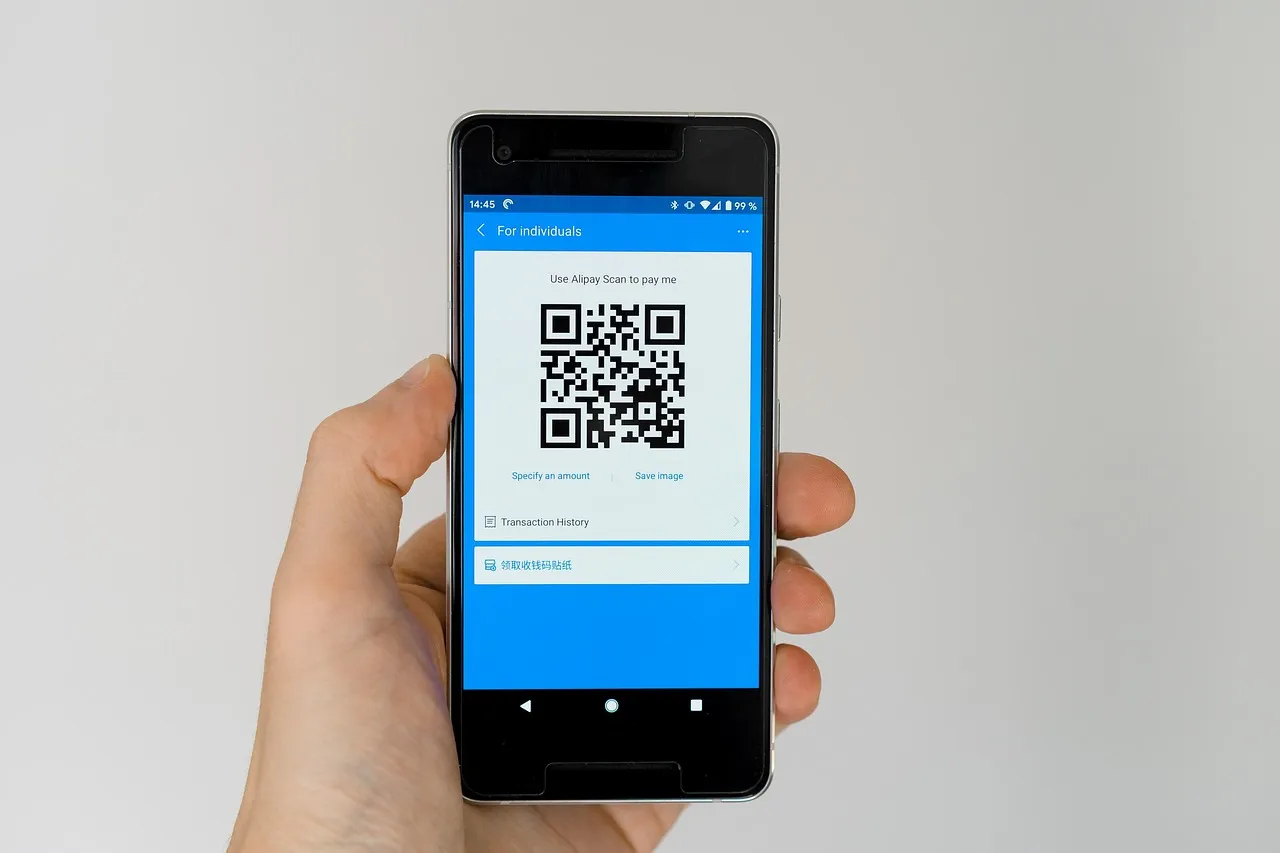
Retail buyers came largely through the phone. More than 140,000 people ordered through GStocks PH, the trading service inside the GCash app, placing orders worth nearly P1.1 billion, according to Mynt. The minimum order was 100 shares, or P660. Mynt also said 80% of its workforce now owns shares.
"Today marks a defining milestone for Mynt and the beginning of our next chapter as a public company," Sazon said in the statement.
What analysts made of the flat close
Brokers read the day cautiously. Toby Allan Arce, head of sales trading at Globalinks Securities and Stocks, told BusinessWorld in a report on the debut that a close at the offer price beat an early fall. "I would not interpret the P6.60 close by itself as evidence of strong aftermarket support," he said.
Japhet Tantiangco, research manager at Philstocks Financial, told the paper the pullback from P6.76 reflected "immediate profit taking", and that investors were waiting for Mynt's third-quarter results. Marcos, speaking at the ceremony, acknowledged the backdrop. "We recognize that investors have become more cautious and that attracting fresh capital remains a challenge," he said.
What comes next
Two dates now matter. The stabilisation period closes no later than 30 days after listing, and Philstocks Financial's Japhet Louis Tantiangco told BusinessWorld that the market is looking to Mynt's results for the third quarter. Until then, a stock that ended day one at its issue price will trade largely on the mood of a market where it was the first new listing of the year.

View author profile → · Editorial policy