Key Takeaways
- Robinhood received in-principle approval from the Monetary Authority of Singapore to launch brokerage services
- Singapore's investment app market is increasingly competitive, with Moomoo also launching agentic investing features
- Six financial institutions made LinkedIn's 2026 Top Companies list for Singapore, led by a homegrown lender
- Global investment platform Moomoo launched AI-driven agentic investing for retail users via API
- The Association of Banks in Singapore will discontinue the PayNow nickname feature for retail customers from 6 June 2026
The Facts
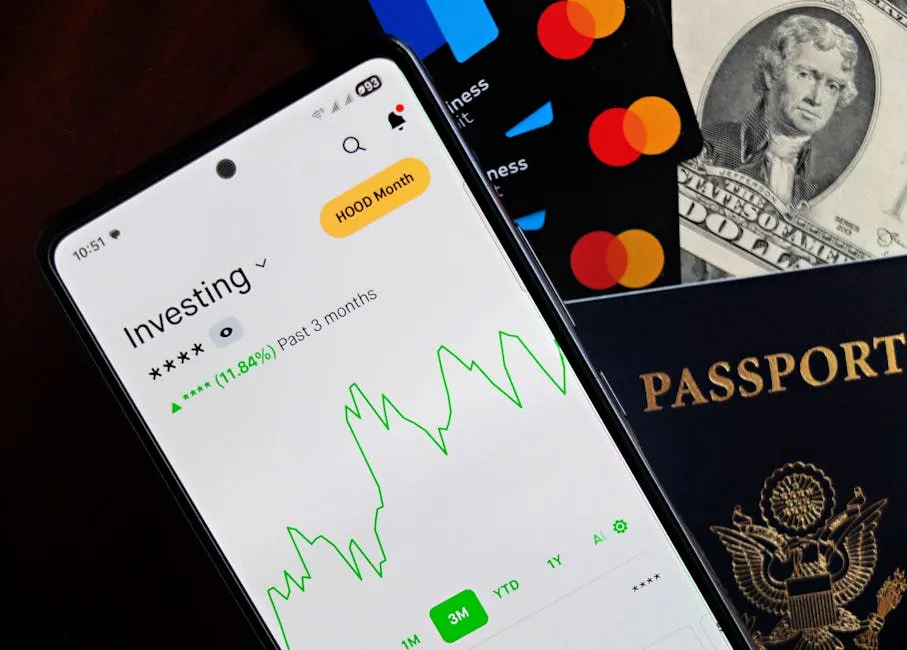
Robinhood, the US-based commission-free trading platform that democratised retail investing for a generation of American investors, has moved closer to entering Singapore's retail investment market after receiving in-principle approval from the Monetary Authority of Singapore. The approval marks a significant development for Singapore's competitive retail investment platform market.
Robinhood's Singapore entry comes as the local investment platform landscape becomes increasingly sophisticated. Moomoo, operated by Futu Holdings and already popular with Singapore retail investors for its US and Hong Kong stock access, launched a new API feature enabling agentic investing — where AI models can execute investment actions on behalf of retail users within user-defined parameters. This capability represents a meaningful expansion of what retail investors can automate within their investment workflows.
The competitive dynamics are intensifying. Six financial institutions featured on LinkedIn's 2026 Top Companies list for Singapore, with a homegrown lender leading the ranking — reflecting Singapore's position as a financial services hub where both global platforms and local institutions compete for sophisticated retail investors.
On 29 April 2026 the Association of Banks in Singapore announced that the PayNow nickname feature for retail customers will be discontinued from 6 June 2026; payers will instead see selected letters of the payee's registered name, a measure against impersonation scams — a reminder that Singapore's payments infrastructure is continuously evolving in response to security considerations.
Technical Deep-Dive
Robinhood's technology architecture is built around zero-commission trading enabled by payment for order flow (PFOF) — a model where market makers pay for the right to execute retail trade orders, generating revenue that subsidises commission-free trading for end users. Whether Robinhood can deploy this model in Singapore depends on MAS's regulatory position on PFOF, which differs from the US market structure.
Moomoo's agentic investing API represents a different technical approach: enabling users to define investment rules (asset classes, risk parameters, trigger conditions) that an AI agent can execute automatically. This is distinct from algorithmic trading platforms available to institutional investors — it is designed for retail use with simplified configuration and built-in risk controls.
The tension between accessibility and safety in retail AI investing is significant. An AI agent that can execute trades without per-transaction human approval provides genuine convenience but also creates execution risk if the agent misinterprets user intent or encounters unexpected market conditions. MAS's regulatory framework for such products will shape how these capabilities are deployed in Singapore.
The ASEAN Perspective
Singapore's retail investment market is sophisticated by regional standards — the Supplementary Retirement Scheme (SRS) creates structural demand for retail investment products, and Singapore's high household savings rate means a significant pool of retail capital seeks investment returns. Robinhood's entry, if it proceeds to a full licence, would introduce zero-commission trading infrastructure to a market where most retail platforms still charge transaction fees.
The broader ASEAN retail investment opportunity is substantial. Malaysia's EPF (Employees Provident Fund) member investment scheme, Indonesia's retail bond market, and Thailand's expanding equity platform ecosystem all represent markets where Robinhood's brand recognition and technology platform could be relevant.
For Singapore retail investors evaluating platforms, the key considerations in 2026 include: regulatory protection (MAS-licensed platforms provide investor protection), fee structures (commission-free models may embed costs in other mechanisms), and access to markets (US, Hong Kong, Singapore, and regional equities vary by platform).
RECATOOLS Verdict
Robinhood's Singapore entry is positive for retail investors who benefit from competitive pressure on trading fees. The zero-commission model has already driven significant fee compression across Singapore's brokerage market over the past five years — Robinhood's arrival will accelerate that trend.
The agentic investing capability from Moomoo is the more interesting longer-term development. Retail investors who can define rules and delegate execution to AI agents gain access to a type of systematic investing previously available only to institutional investors with algorithmic trading infrastructure.
Frequently Asked Questions
Robinhood received in-principle approval from MAS in 2026 and is moving closer to a full launch of brokerage services in Singapore.
AI-driven investing where users define parameters and an AI agent executes investment actions automatically — launched by Moomoo in Singapore via API in 2026.
Robinhood has received in-principle MAS approval. Full regulatory approval from MAS is required before it can launch services to Singapore retail investors.
The Association of Banks in Singapore is discontinuing the PayNow nickname feature for retail customers from 6 June 2026. In its place, payers will see selected letters of the payee's registered name before confirming a transfer, to help combat impersonation scams.
Platforms like Robinhood generate revenue through payment for order flow (market makers pay for the right to execute trades) and other mechanisms rather than charging per-transaction commissions.
Correction, 18 October 2026: An earlier version gave the date of the PayNow nickname change as 6 May 2026. The Association of Banks in Singapore announced on 29 April 2026 that it takes effect on 6 June 2026, and the description of what replaces the nickname has been corrected.

View author profile → · Editorial policy